Category: Medications - Page 4

Black Box Warnings: What You Need to Know About the FDA’s Strongest Drug Safety Alerts
Black box warnings are the FDA's strongest safety alerts for prescription drugs, signaling risks of death or serious injury. Learn what they mean, how they're decided, and what to do if your medication has one.
Medications

Hirsutism in PCOS: How Antiandrogens Help Reduce Unwanted Hair
Antiandrogens like spironolactone and finasteride help reduce unwanted hair in PCOS by blocking excess androgens. They’re not first-line but work well when birth control fails. Results take 6-24 months and require consistent use and contraception.
Medications
Preventive Measures to Build Resilient Pharmaceutical Supply Chains and Prevent Drug Shortages
Drug shortages are rising due to fragile global supply chains. Learn how buffer stock, dual sourcing, AI, and domestic manufacturing are being used to build resilient pharmaceutical systems that prevent critical medication gaps.
Medications
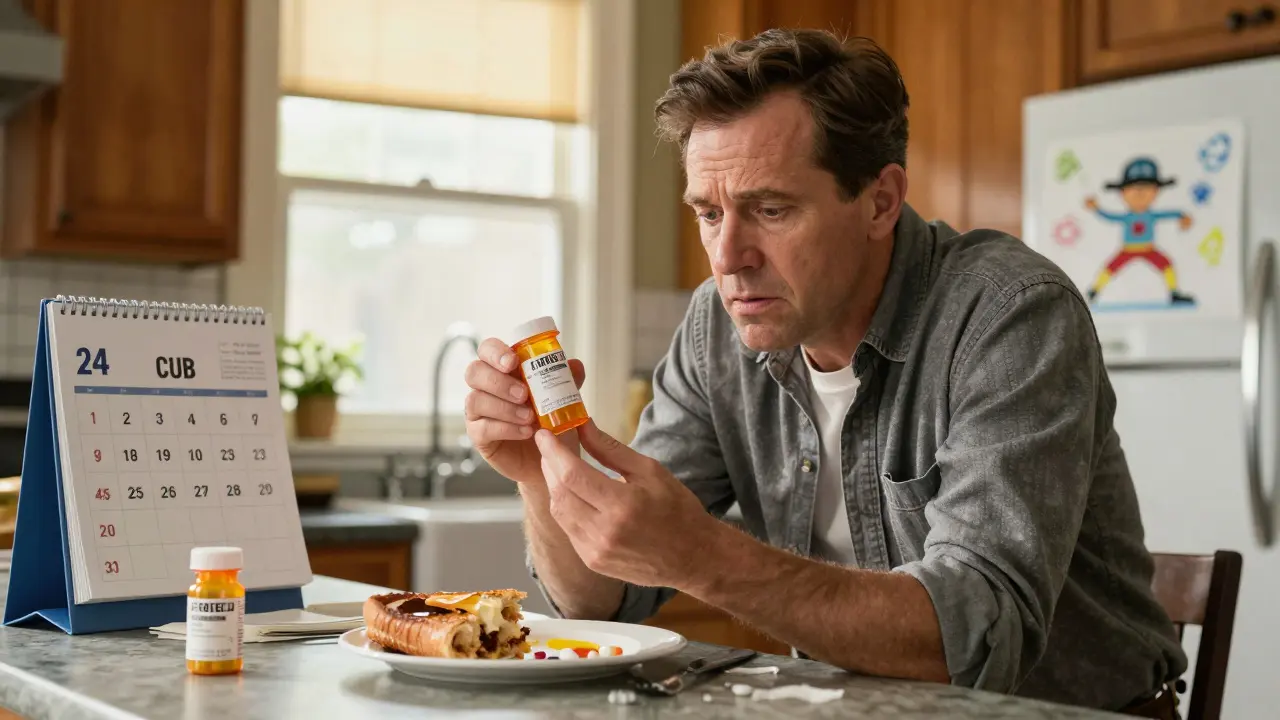
Antibiotic Effectiveness After Expiration Dates: What You Really Need to Know
Expired antibiotics may still look fine, but their potency drops over time - risking treatment failure and antibiotic resistance. Learn what's safe, what's dangerous, and how storage affects effectiveness.
Medications
How to Check If a Generic Medication Is Available for Your Prescription
Learn how to check if a generic version of your prescription is available and approved by the FDA. Save up to 85% on medication costs with simple steps and expert tips.
Medications
Black Box Warnings on Antidepressants for Youth: What You Need to Know About the Risks
The FDA's black box warning on antidepressants for youth was meant to reduce suicide risk-but research shows it may have led to fewer treatments and more deaths. Understand the real risks, the unintended consequences, and what parents should do now.
Medications
Telemedicine Prescriptions and Generics: What You Need to Know in 2025
Telemedicine prescriptions for generics are easy. For controlled substances, they’re a regulatory minefield. Learn what’s allowed, what’s changing in 2025, and how it affects your access to medication.
Medications
Hydrophilic vs Lipophilic Statins: What You Need to Know About Side Effects
Hydrophilic and lipophilic statins differ in how they enter the body and where they go - but that doesn’t always mean one is safer. Learn what actually drives muscle pain and how to find the right statin for you.
Medications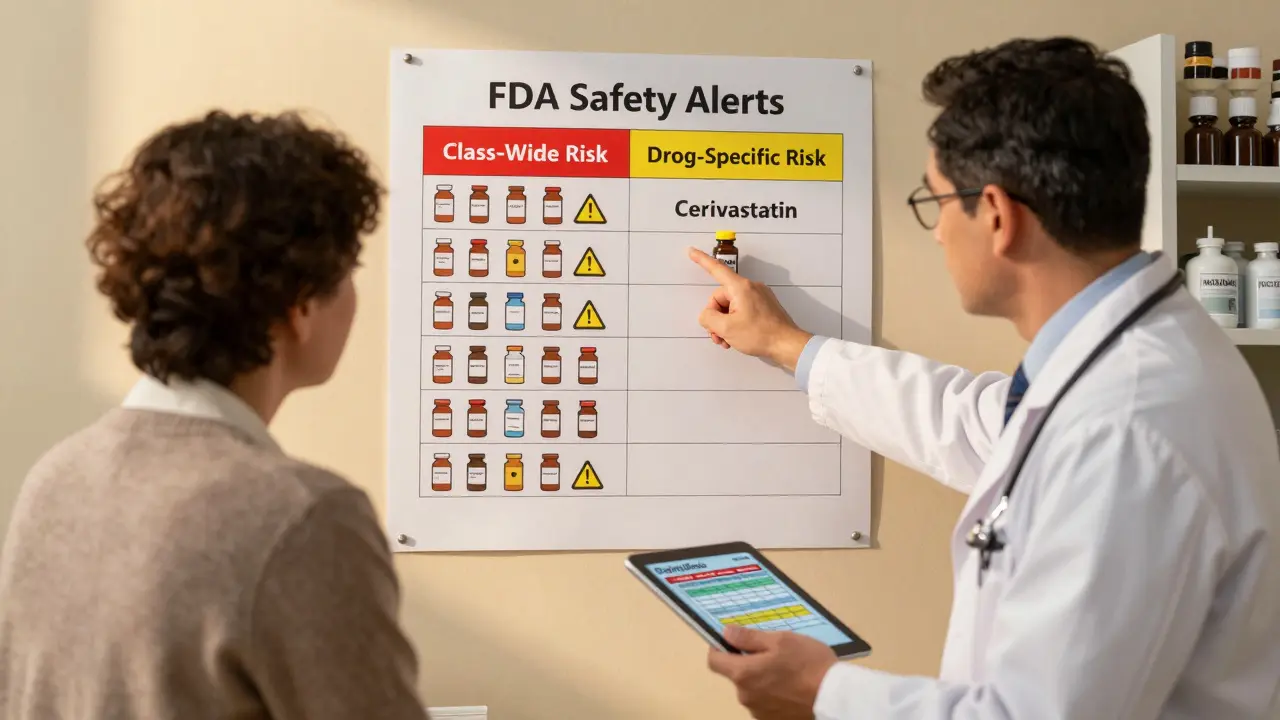
How to Identify Class-Wide vs. Drug-Specific Safety Alerts in Medications
Learn how to tell the difference between class-wide and drug-specific safety alerts in medications. Understand why some warnings affect entire drug groups and others target just one. Make smarter decisions about prescriptions.
Medications
How to Identify High-Alert Medications Requiring Double Checks in Clinical Practice
Learn how to identify high-alert medications that require independent double checks to prevent deadly medication errors. Discover which drugs are most dangerous, how to perform a true double check, and why common practices fail.
MedicationsLatest Posts





Tags
- online pharmacy
- medication safety
- generic drugs
- medication
- dietary supplement
- side effects
- drug interactions
- online pharmacy UK
- polypharmacy
- FDA drug safety
- mental health
- impact
- online pharmacies
- statin side effects
- dosage
- adverse drug reactions
- generic vs brand
- pediatric antibiotics
- antibiotic side effects
- skin health