

Black Box Warning Explorer
Find Drug Safety Information
Select a drug to learn about its black box warning and what it means for you.
What This Warning Means
This is a serious safety alert from the FDA requiring special precautions.
Black Box Warning
Questions to Ask Your Doctor
- What is the specific risk for me?
- What monitoring is needed? How often?
- What are the alternatives? What happens if I don't take this?
- How will we know if the medication is working?
When a drug comes with a black box warning, it’s not just another footnote in the prescribing information. It’s the FDA’s loudest possible alarm bell. You’ll see it at the very top of the drug’s package insert - a thick black border around bold text, screaming: this medicine can kill you. And it’s not an exaggeration. Over 400 prescription drugs in the U.S. carry this warning as of 2022, from antidepressants to diabetes pills to painkillers. If you or someone you care about is taking one of these medications, you need to understand what this warning really means - and what it doesn’t.
What Exactly Is a Black Box Warning?
A black box warning, officially called a boxed warning, is the most serious safety alert the FDA can require. It’s not a suggestion. It’s a mandate. The FDA orders it when evidence shows a drug carries a significant risk of death or serious injury - and that risk is preventable if handled correctly. The warning doesn’t appear randomly. It’s placed right after the drug’s indications and before any other safety information. It’s bold, it’s boxed, and it’s impossible to miss. The FDA introduced this format in the 1970s to cut through the noise of dense medical labels. Before that, serious risks were buried in small print. Now, if a drug has a black box warning, your doctor, pharmacist, and you can’t pretend you didn’t see it. These warnings aren’t just about side effects. They’re about preventable harm. For example, a drug might cause liver failure - but only if taken with alcohol, or only in patients with a certain genetic marker. The black box warning tells you exactly what to avoid.Why Does the FDA Use Black Box Warnings?
The FDA doesn’t slap these warnings on drugs lightly. They’re reserved for situations where:- The risk is so severe that it could outweigh the benefits for some patients
- The harm can be reduced with careful use - like regular blood tests, avoiding certain other drugs, or not prescribing to specific groups
- Special restrictions are needed, such as requiring prescribers to complete training or limiting use to hospitals
How Are These Warnings Decided?
The process starts long before a drug hits the shelf. The FDA reviews data from lab tests, animal studies, and clinical trials involving thousands of people. But the real red flags often show up after approval - when millions of people start using the drug in the real world. That’s where the FDA’s Adverse Event Reporting System (FAERS) comes in. Doctors, pharmacists, patients, and drug companies report side effects. When enough reports point to a serious, consistent pattern - like sudden death in young people taking a certain antidepressant - the FDA investigates. If the evidence is strong enough, they require a black box warning. Most black box warnings are added years after a drug is approved. It’s not that the FDA missed something. It’s that rare, serious side effects only become visible when a drug is used by a much larger, more diverse group than in clinical trials.What Does a Black Box Warning Actually Say?
The wording matters. These aren’t vague warnings like “may cause dizziness.” They’re specific. Here’s what you might see:- “Increases risk of suicidal thoughts and behaviors in children and adolescents” - for certain antidepressants
- “Contraindicated in patients with severe heart failure” - for some diabetes drugs
- “May cause life-threatening liver damage. Monitor liver enzymes monthly for first 6 months” - for certain antibiotics
- “Risk of opioid overdose. Do not use with alcohol or benzodiazepines” - for strong painkillers

Does a Black Box Warning Mean You Shouldn’t Take the Drug?
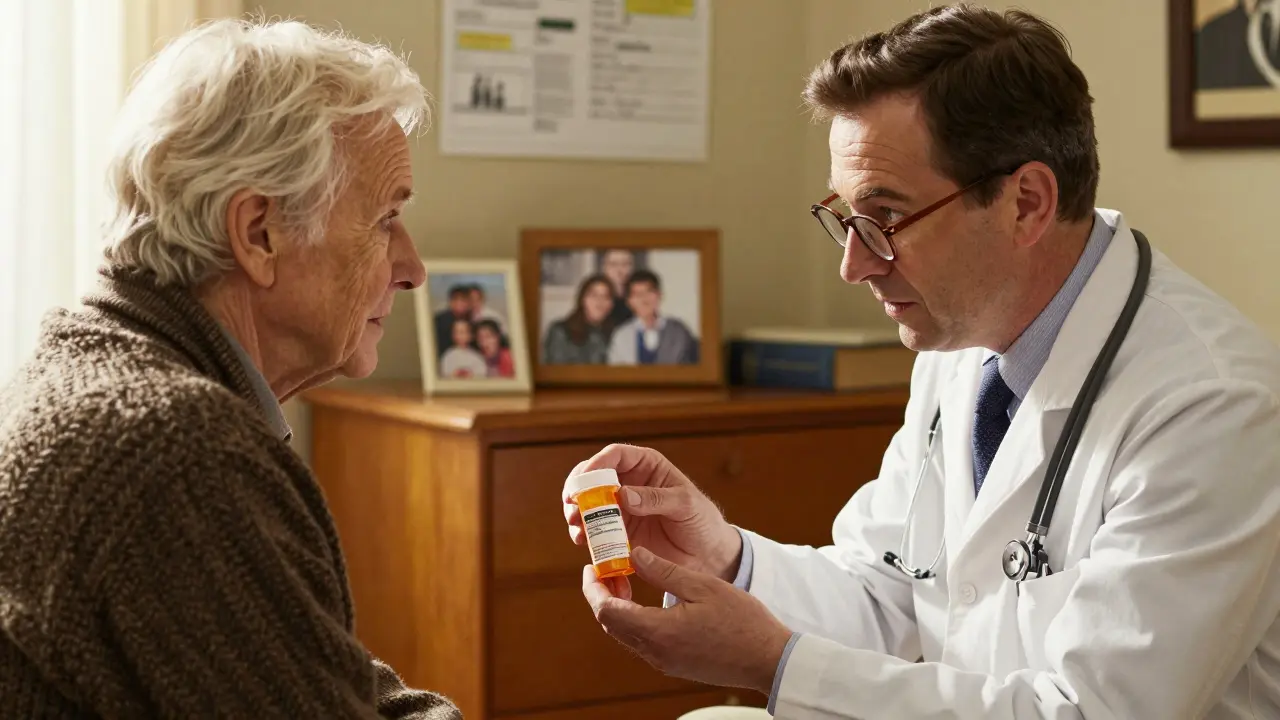
No. Not necessarily. Many life-saving drugs carry black box warnings. Cancer treatments. Drugs for severe epilepsy. Medications for bipolar disorder. These drugs can be dangerous - but they can also be the only thing keeping someone alive. The key is context. A black box warning means you and your doctor need to have a real conversation. Not a quick “Do you have any questions?” at the end of a 10-minute visit. A real discussion about:- What’s the specific risk?
- How likely is it to happen to you?
- What monitoring is required?
- Are there safer alternatives?
- What happens if you don’t take it?
How Do Doctors Decide Whether to Prescribe It?
Doctors don’t just look at the warning. They use it as a starting point. The American Academy of Family Physicians recommends the STEPS approach when considering drugs with black box warnings:- Safety - What are the risks? Can they be managed?
- Tolerability - How bad are the side effects? Will the patient stick with it?
- Effectiveness - Does it actually work better than other options?
- Price - Is it affordable? Are there generics?
- Simplicity - How many times a day? Any special instructions?
What Should You Do If Your Drug Has a Black Box Warning?
If you’re prescribed a drug with a black box warning:- Ask your doctor: “What’s the specific risk for me?”
- Ask: “What tests or monitoring do I need? How often?”
- Ask: “What are the alternatives? What happens if I don’t take this?”
- Don’t stop the drug suddenly - some can cause dangerous withdrawal
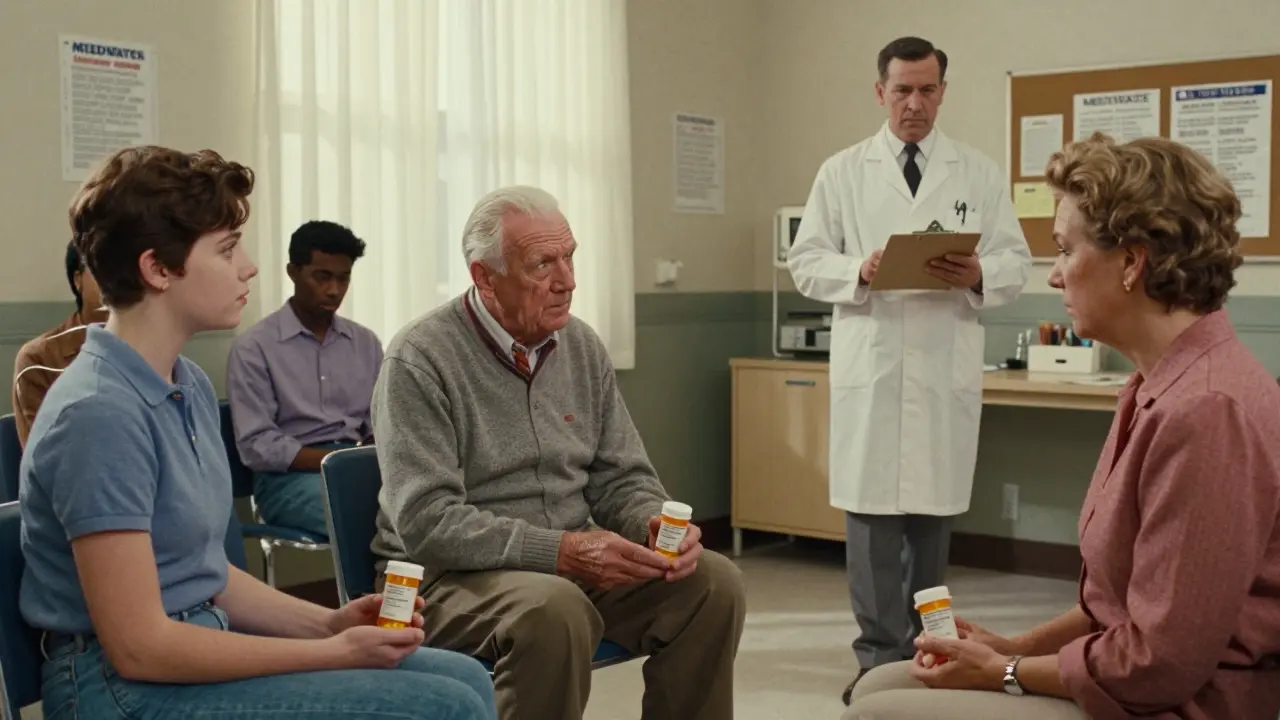
- Report any strange symptoms to your doctor and to the FDA through MedWatch
Why Do Some Warnings Work and Others Don’t?
Here’s the uncomfortable truth: not all black box warnings change behavior. The rosiglitazone warning cut prescriptions by 70%. But other warnings, even for equally dangerous drugs, barely move the needle. Why? Because awareness isn’t just about the warning on the label. It’s about media coverage. Patient advocacy. Doctor education. Pharmacist counseling. A warning that makes headlines - like the one on antidepressants and teen suicide - gets attention. A warning buried in a drug’s fine print, without media buzz, might not even reach the pharmacist’s desk. The FDA knows this. That’s why they’re working on clearer, more patient-friendly warning formats - focusing on absolute risk (e.g., “1 in 100 people may have liver damage”) instead of vague phrases like “serious risk.”What’s Next for Black Box Warnings?
The system isn’t perfect. But it’s the best tool we have for communicating serious drug risks. The FDA continues to update warnings as new data comes in. Recent examples include warnings for certain opioid painkillers, antipsychotics, and drugs used in cancer treatment. Experts are pushing for more transparency - making warning data easier to find online, not just buried in PDFs. Some want warnings to include patient stories or real-world outcomes. For now, the black box remains the gold standard. It’s not meant to scare you away from treatment. It’s meant to make sure you’re fully informed before you start.Frequently Asked Questions
Do all drugs with black box warnings cause death?
No. A black box warning means the drug can cause death or serious injury in some cases - but only under specific conditions. For many people, the benefits far outweigh the risks. The warning exists to help doctors and patients make informed choices, not to ban the drug.
Can I still get a prescription if my drug has a black box warning?
Yes. Doctors prescribe these drugs every day - especially when no other options work. The warning doesn’t block access. It requires a conversation. Your doctor must confirm you understand the risks and agree to any required monitoring.
Are black box warnings only for prescription drugs?
Yes. Black box warnings are only required for prescription medications. Over-the-counter drugs, supplements, and vitamins don’t carry these warnings - which is why it’s even more important to talk to your doctor before mixing them with prescription drugs.
How often are black box warnings added or removed?
The FDA adds new black box warnings almost every year - usually after new safety data emerges from real-world use. Removal is rare, but it happens. For example, a warning was removed from a birth control pill after further studies showed the risk was lower than originally thought. The FDA updates labels continuously as science evolves.
Can I report a side effect from a drug with a black box warning?
Yes - and you should. Report any serious side effect to your doctor and file a report with the FDA’s MedWatch program. These reports help the FDA spot new patterns and decide if warnings need to be updated. Your experience could help protect someone else.


Janette Martens
30 December 2025so like... if a drug has a black box, does that mean my pharmacist is legally required to yell at me before giving it to me? because i swear mine just hands it over like it's a bag of chips. also why is this even a thing? we let people buy energy drinks with enough caffeine to kill a horse but this? this needs a warning? lol.
Marie-Pierre Gonzalez
1 January 2026Thank you for this comprehensive overview. I appreciate the clarity with which the FDA's intent is communicated. It is imperative that patients are not only informed but empowered to engage in meaningful dialogue with their healthcare providers. The inclusion of monitoring protocols and alternative options is particularly valuable. Let us continue to advocate for transparency and patient-centered care in all aspects of pharmaceutical regulation.
Louis Paré
2 January 2026Black box warnings are just corporate theater. The FDA doesn't care about you. They care about liability. These warnings exist because someone got sued, not because someone got smarter. And don't get me started on how rosiglitazone got slammed while pioglitazone got a free pass - same class, same mechanism, same risk profile. This isn't science. It's PR. The real danger? You think you're safe because there's a box. There isn't. There never was.
James Hilton
3 January 2026so like... my grandma takes a drug with a black box. she’s 82, has three other meds, and still walks her dog every morning. the warning says 'risk of sudden death' - cool. but she’s lived longer than half the people who wrote that warning. maybe the real black box is the one they put around common sense.
Kelsey Youmans
4 January 2026I find it deeply concerning how often these warnings are treated as bureaucratic checkboxes rather than life-saving communication tools. The language, while legally precise, often fails to resonate with patients who lack medical literacy. We must prioritize plain-language summaries, visual aids, and mandatory counseling sessions - especially for vulnerable populations. Safety is not just about labeling. It's about listening.
ANA MARIE VALENZUELA
4 January 2026if you're taking a drug with a black box and you didn't google it first, you're not a patient - you're a liability waiting to happen. people don't read the insert. they don't ask questions. they just swallow it like candy. and then blame the doctor when their liver gives out. stop being passive. educate yourself. or don't take it. simple.
Bradly Draper
4 January 2026my cousin was on one of these drugs. he started feeling weird, got dizzy, stopped taking it, and went to the ER. turns out it was the warning they told him to ignore. now he’s fine. but if he hadn’t listened to his gut? i don’t know. just... talk to your doc. and don’t be shy.
Gran Badshah
6 January 2026in india we dont even get these warnings properly. my aunt got a black box drug from a pharmacy that had no leaflet. no one spoke english. she took it for 3 months. no blood tests. no questions. just pills. how is this safe? the system here is broken. not the drug.
Ellen-Cathryn Nash
7 January 2026I can't believe people still trust Big Pharma enough to take these drugs without demanding a second opinion. The FDA? A toothless watchdog. Doctors? Overworked and incentivized to prescribe. And you? You're just a revenue stream with a pulse. That black box? It's not a warning. It's a funeral notice you signed with your signature on the bottom of page 17.