Radiation Therapy: What It Is, How It Works, and What to Expect
When you hear radiation therapy, a medical treatment that uses high-energy particles or waves to kill cancer cells. Also known as radiotherapy, it's one of the most common ways doctors fight cancer—used alone or with surgery and chemotherapy. It’s not magic, but it’s precise. Unlike chemo, which travels through your whole body, radiation therapy targets only the area where the tumor is. That means less damage to healthy tissue—but it still comes with side effects you need to know about.
It works by damaging the DNA inside cancer cells. These cells can’t repair themselves like normal cells, so they die off over time. The treatment doesn’t hurt while it’s happening—you won’t feel the beams—but the effects build up. Fatigue is the most common side effect, followed by skin redness or irritation where the radiation hits. Some people also lose hair in the treated area, or feel nauseous if the abdomen or head is targeted. Your medical team will plan the dose and angles carefully, using imaging scans to make sure it hits only the tumor. This isn’t one-size-fits-all. Radiation for breast cancer looks different than for prostate cancer or brain tumors. And it’s not just for advanced cases. Many people get it early, even before surgery, to shrink tumors and make removal easier.
People often confuse radiation therapy with nuclear accidents or X-rays. But this isn’t about exposure—it’s about control. The machines used today, like linear accelerators, can focus beams down to the millimeter. Newer forms like proton therapy go even further, stopping radiation right at the tumor so nothing passes through to healthy organs behind it. That’s a big deal for kids, or for tumors near the spine or eyes. It’s also why some patients can keep working during treatment, while others need to rest. It depends on the dose, the location, and your body’s response.
There’s no single way radiation therapy fits into cancer care. For some, it’s the main treatment. For others, it’s a way to ease pain from spreading cancer—like bone metastases. And it’s not just for adults. Children with certain cancers get it too, though doctors try to limit the dose because growing tissues are more sensitive. The goal isn’t just to kill cancer. It’s to give you the best chance at life without wrecking your quality of life.
What you’ll find in the posts below isn’t just a list of articles. It’s a collection of real, practical advice from people who’ve been through it, doctors who manage it, and researchers who are improving it. You’ll see how radiation therapy connects to other treatments, what side effects to prepare for, and how to talk to your team about what you’re feeling. There’s no fluff here—just clear, honest information to help you understand what’s happening to your body, and why.
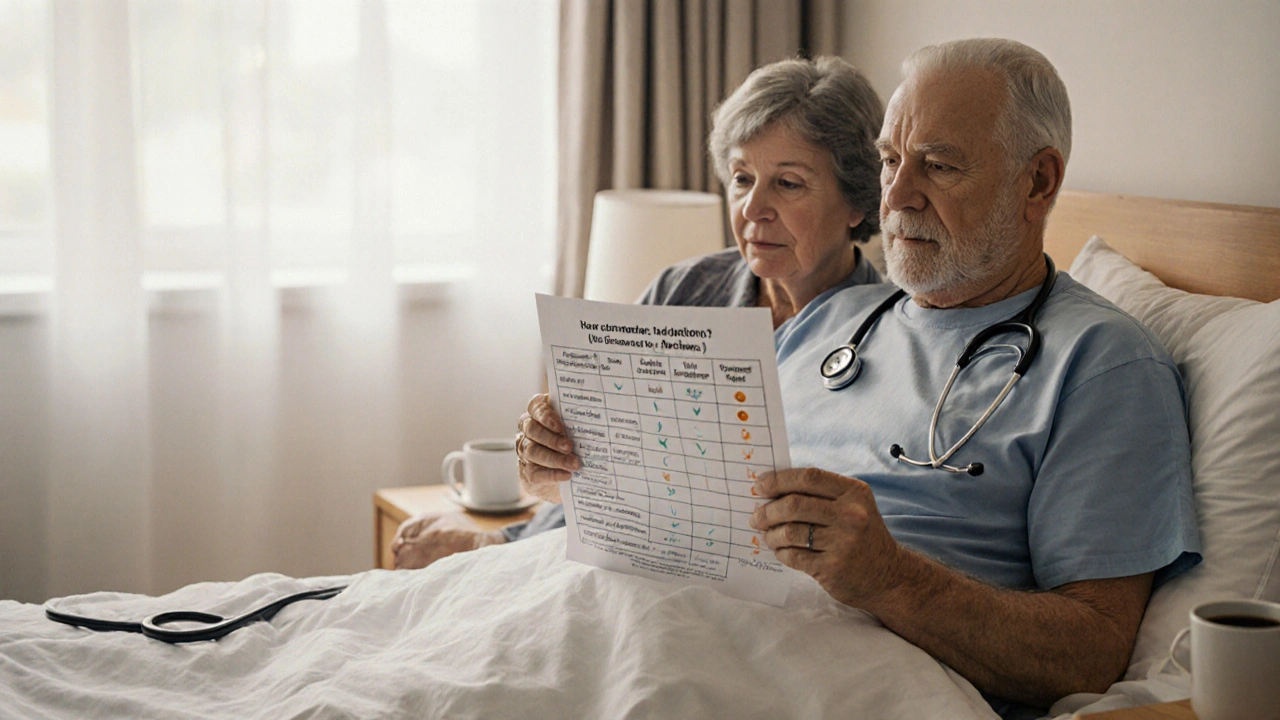
Radiation vs. Surgery: Choosing the Right Local Cancer Treatment
Choosing between radiation and surgery for localized cancer isn't about which is better-it's about which fits your life. Learn how survival rates, side effects, and logistics differ for prostate and lung cancer treatments.
Health and Medicine
Latest Posts


Tags
- online pharmacy
- medication safety
- generic drugs
- medication
- dietary supplement
- side effects
- drug interactions
- online pharmacy UK
- polypharmacy
- FDA drug safety
- mental health
- impact
- online pharmacies
- statin side effects
- dosage
- adverse drug reactions
- generic vs brand
- pediatric antibiotics
- antibiotic side effects
- skin health