Opioids and Liver Disease: Risks, Interactions, and What You Need to Know
When you take opioids, a class of pain-relieving drugs that include oxycodone, hydrocodone, and morphine. Also known as narcotics, they work by binding to brain receptors to reduce pain—but they also pass through the liver, where most are broken down. For people with existing liver disease, a condition where the liver is damaged and can’t process toxins or drugs properly, this process becomes dangerous. Even prescribed opioids can pile up in the body if the liver can’t keep up, leading to toxicity, worsening liver damage, or even failure.
The liver doesn’t just handle opioids—it also deals with other meds, alcohol, supplements, and even some foods. If you have fatty liver disease, a common condition where fat builds up in liver cells, or hepatitis, your liver is already under stress. Adding opioids on top? That’s like pouring gasoline on a small fire. Studies show people with cirrhosis are up to five times more likely to suffer opioid-related side effects, including confusion, breathing problems, and coma. And it’s not just the opioids themselves—many are mixed with acetaminophen (Tylenol), which is hard on the liver even at normal doses. Take too much, or take it too long, and you’re asking for trouble.
It’s not always obvious when opioids are hurting your liver. You might not feel pain, and blood tests don’t always catch early damage. Fatigue, nausea, yellowing skin, or swelling in your legs and belly can be signs—but many people ignore them, thinking it’s just aging or stress. The real risk comes from long-term use, especially if you’re also taking other meds that affect the liver, like statins, antibiotics, or seizure drugs. Your liver has a limited capacity to handle all these at once. And if you’ve been on opioids for years, your body may have adapted, making you less aware of the damage until it’s too late.
What can you do? Talk to your doctor about alternatives if you have liver issues. Ask if your opioid dose can be lowered or switched to one that’s less taxing on the liver. Never stop suddenly—withdrawal can be deadly. And if you’re taking acetaminophen with your opioid, check the label. Many combo pills contain 325mg or more per tablet. Four tablets a day could push you over the safe limit. Keep a log of everything you take, including supplements. Even herbal ones like milk thistle or kava can interfere. Your liver doesn’t care if it’s prescription or natural—it just wants to stay healthy.
Below, you’ll find real, practical insights from posts that dig into how opioids affect your body beyond pain relief—from mood changes and drug interactions to how metabolism and liver health connect in ways most people never consider. These aren’t theory pieces. They’re based on what’s actually happening in clinics, pharmacies, and patient records. You’ll learn what to watch for, when to push back, and how to protect yourself without giving up your care.
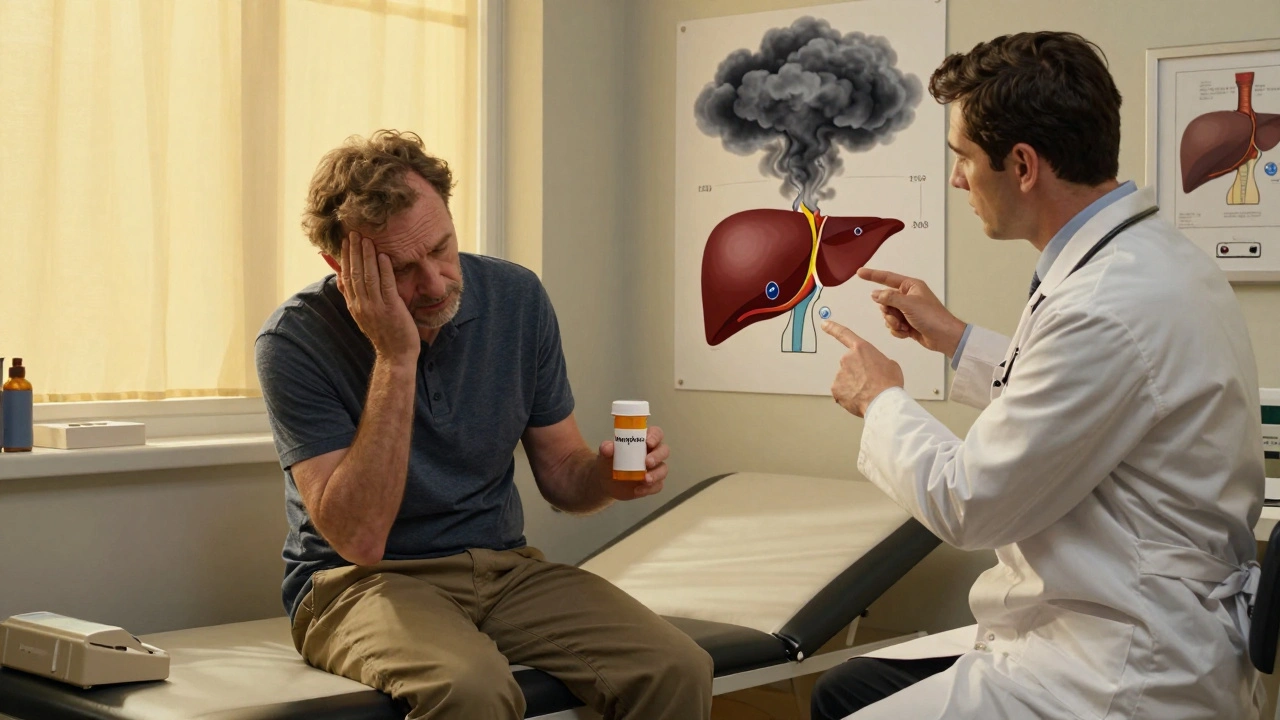
Opioids and Liver Disease: How Impaired Metabolism Increases Risk of Toxicity
Opioids can become dangerous in liver disease due to impaired metabolism, leading to toxic buildup. Learn how morphine, oxycodone, and other opioids behave in liver impairment-and what safer alternatives exist.
Medications
Latest Posts




Tags
- online pharmacy
- medication safety
- generic drugs
- medication
- dietary supplement
- side effects
- drug interactions
- online pharmacy UK
- polypharmacy
- FDA drug safety
- mental health
- impact
- online pharmacies
- statin side effects
- dosage
- adverse drug reactions
- generic vs brand
- pediatric antibiotics
- antibiotic side effects
- skin health