Obstructive Sleep Apnea: Causes, Risks, and What Works
When you have obstructive sleep apnea, a condition where throat muscles relax too much during sleep, blocking airflow and causing repeated breathing pauses. Also known as OSA, it’s not just loud snoring—it’s a silent threat to your heart, brain, and daily energy. Every time your airway collapses, your brain wakes you up just enough to breathe, but not enough for real rest. You might not remember these moments, but your body does—and over time, it pays a heavy price.
People with obstructive sleep apnea are more likely to develop high blood pressure, heart attacks, and stroke. It’s also linked to type 2 diabetes, depression, and memory problems. The good news? It’s treatable. CPAP therapy is the most common fix—a machine that blows steady air through a mask to keep your airway open. But it’s not the only option. Weight loss, mouthpieces, and even surgery can help, depending on what’s causing the blockage. And if you’re overweight, losing even 10% of your body weight can cut apnea episodes in half.
Many people ignore the signs because they think snoring is normal. But if you wake up gasping, feel exhausted even after 8 hours in bed, or your partner says you stop breathing at night, this isn’t normal. It’s a medical issue. And it’s more common than you think—about 1 in 5 adults has mild OSA, and 1 in 15 has moderate to severe. The risk goes up with age, male gender, and a thick neck, but it affects women and younger people too, especially if they have asthma, allergies, or nasal congestion.
What you’ll find below are real, practical posts that cut through the noise. You’ll see how sleep disorders like this connect to other health problems—from heart meds to gut issues—and how simple changes in daily habits can make a real difference. Some posts talk about how certain drugs affect breathing at night. Others show how lifestyle tweaks—like avoiding alcohol before bed or sleeping on your side—can reduce symptoms without a machine. There’s no guesswork here. Just facts, clear comparisons, and what actually works based on what people have tried.
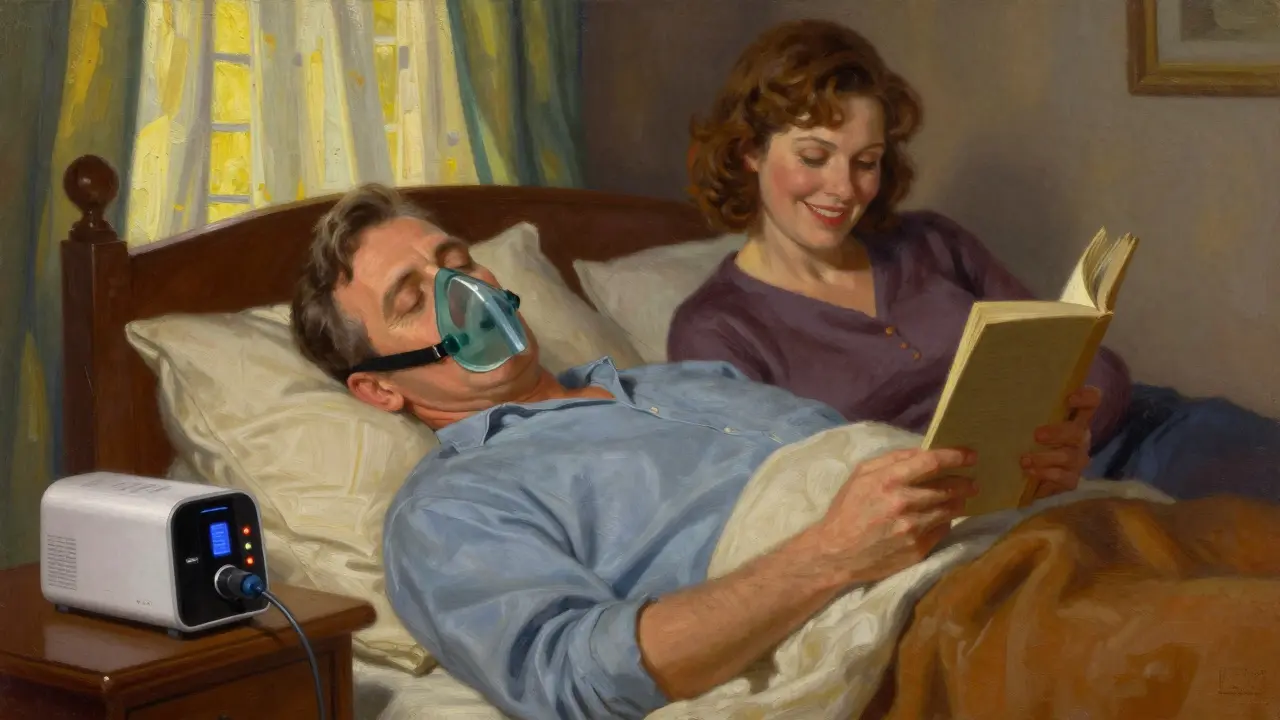
Obstructive Sleep Apnea: CPAP Therapy and Alternative Treatments Explained
Obstructive sleep apnea disrupts sleep and raises health risks. CPAP therapy is the gold standard, but many struggle with it. Learn about effective alternatives like oral appliances, surgery, and lifestyle changes that actually work.
Health and Medicine
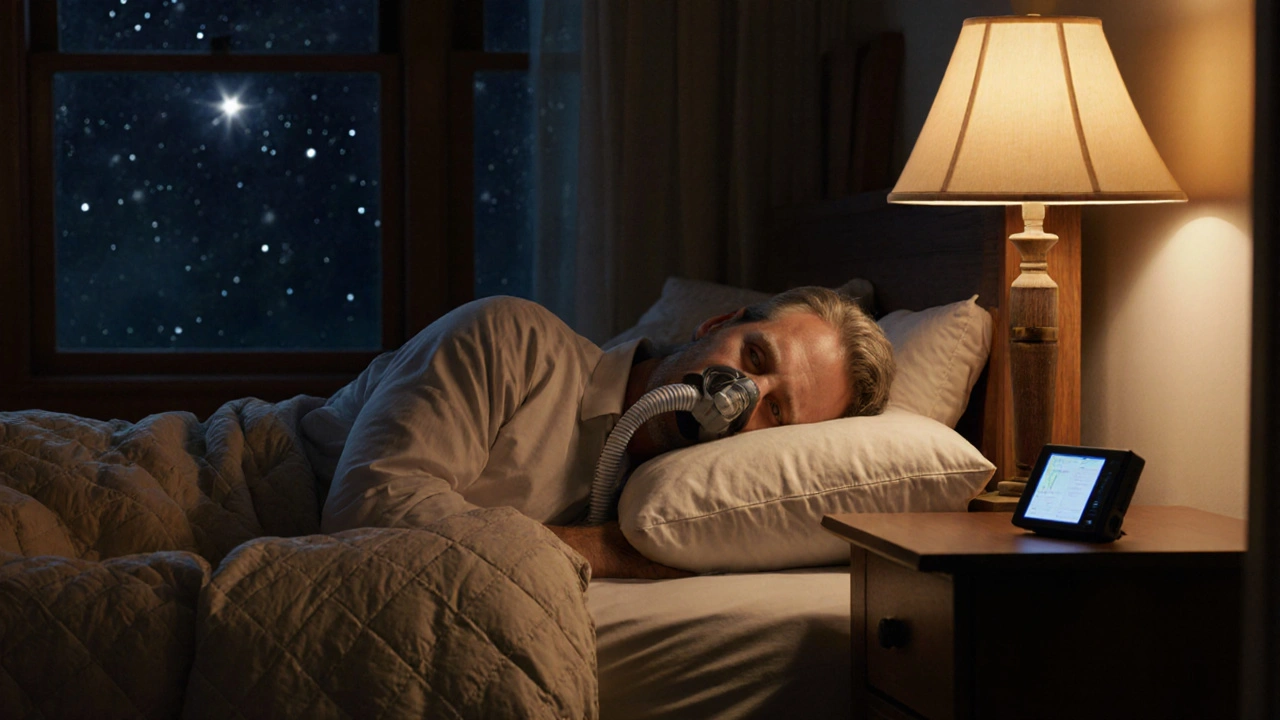
Sleep Apnea and Respiratory Failure: How Oxygen Therapy and CPAP Work Together
CPAP therapy is the gold standard for treating sleep apnea and preventing respiratory failure. Oxygen therapy alone doesn't fix airway collapse. Learn how CPAP works, why adherence matters, and what alternatives exist in 2025.
Health and Wellness
Latest Posts




Tags
- online pharmacy
- medication safety
- generic drugs
- medication
- dietary supplement
- side effects
- drug interactions
- online pharmacy UK
- polypharmacy
- FDA drug safety
- mental health
- impact
- online pharmacies
- statin side effects
- dosage
- adverse drug reactions
- generic vs brand
- pediatric antibiotics
- antibiotic side effects
- skin health