CKD-MBD: Understanding Chronic Kidney Disease-Mineral and Bone Disorder
When your kidneys start to fail, they don’t just stop filtering waste—they also lose control over CKD-MBD, a complex condition where kidney damage disrupts mineral balance, bone health, and blood vessel function. Also known as chronic kidney disease-mineral and bone disorder, it’s not just about weak bones—it’s a systemic problem that can lead to heart attacks, fractures, and sudden death if ignored. This isn’t rare. Nearly 80% of people on dialysis have some form of CKD-MBD, and many more with early kidney disease are already developing it without knowing.
At its core, CKD-MBD happens because damaged kidneys can’t regulate phosphate, a mineral that builds up when kidneys can’t remove it, or make enough active vitamin D, the form your body needs to absorb calcium and keep bones strong. Without enough active vitamin D, your parathyroid glands go into overdrive, pulling calcium out of your bones to balance blood levels. Over time, your bones become porous and fragile, while calcium and phosphate start depositing in your arteries, heart valves, and skin. That’s why people with advanced kidney disease often have itchy skin, bone pain, and higher risk of heart disease—not because of aging, but because of CKD-MBD.
Managing it isn’t about one pill or one diet. It’s a mix of phosphate binders, medications taken with meals to block phosphate absorption from food, careful control of calcium intake, vitamin D analogs, and sometimes drugs that suppress parathyroid hormone. Many patients don’t realize their diet matters as much as their meds—eating too much processed food, soda, or cheese can spike phosphate levels faster than their kidneys can handle. Even small changes, like swapping soda for water or choosing fresh meat over deli meats, can make a real difference.
What’s surprising is how often CKD-MBD is overlooked. Doctors test for creatinine and GFR, but not always for phosphate, calcium, PTH, or vitamin D levels. And patients? They might feel fine—until they break a bone or have chest pain from calcified arteries. The good news? Catching it early gives you control. You can slow it down. You can protect your bones and your heart. The posts below cover exactly how—whether you’re a patient trying to understand your labs, a caregiver managing meds for someone on dialysis, or a clinician looking for practical tips on phosphate binders, vitamin D dosing, or how to talk to patients about diet changes. No fluff. Just clear, real-world guidance on what works, what doesn’t, and what you need to ask for.
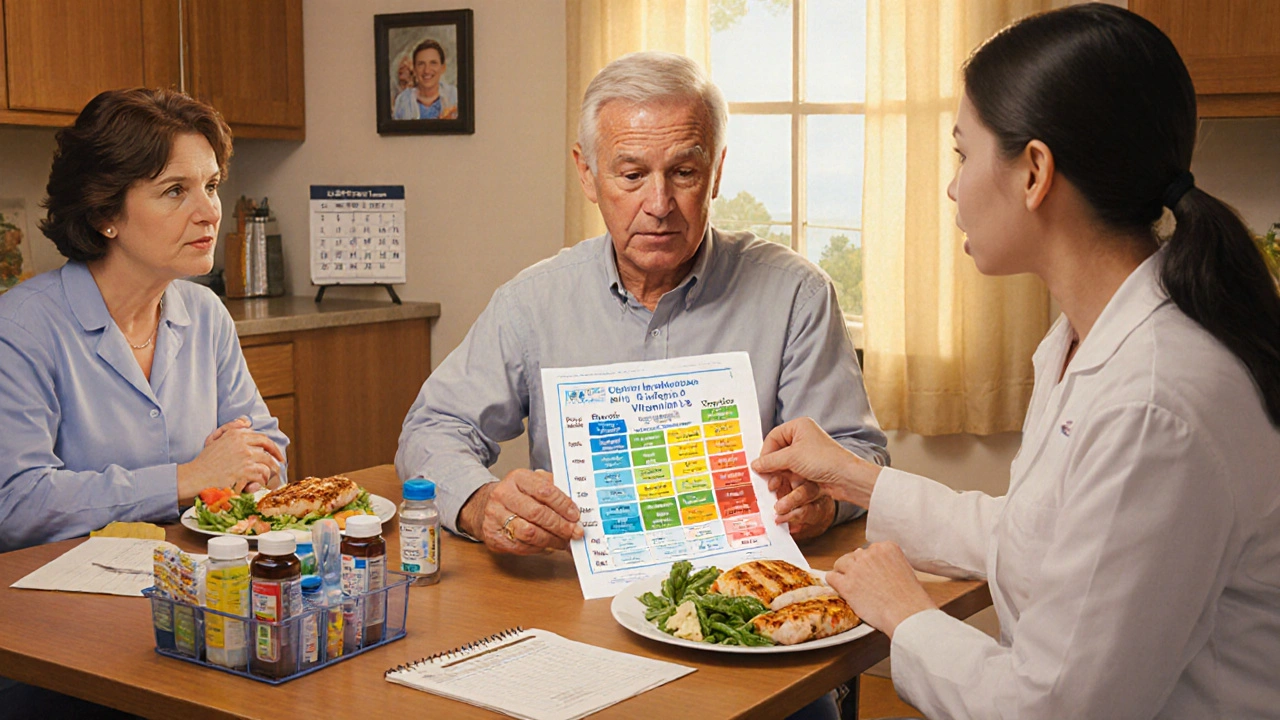
Mineral Bone Disorder in CKD: Understanding Calcium, PTH, and Vitamin D
CKD-Mineral and Bone Disorder disrupts calcium, PTH, and vitamin D balance, leading to fractures and heart disease. Learn how to manage it with diet, medication, and monitoring.
Health and Medicine
Latest Posts




Tags
- online pharmacy
- medication safety
- generic drugs
- medication
- dietary supplement
- side effects
- drug interactions
- online pharmacy UK
- polypharmacy
- FDA drug safety
- mental health
- impact
- online pharmacies
- statin side effects
- dosage
- adverse drug reactions
- generic vs brand
- pediatric antibiotics
- antibiotic side effects
- skin health