


Polypharmacy Risk Calculator
Assess Your Medication Risk
How many medications do you currently take? This includes prescription drugs, over-the-counter medicines, vitamins, and supplements.
Every year, thousands of people in the UK and beyond take medications they don’t need, mix pills that shouldn’t be mixed, or suffer side effects they think are just part of getting older. But what if a simple 30-minute chat with your pharmacist could stop that? An annual medication review isn’t just a formality-it’s one of the most effective ways to cut down on dangerous side effects, avoid hospital trips, and feel more in control of your health.
What Happens in an Annual Medication Review?
An annual medication review is a face-to-face meeting with your pharmacist where they look at every single thing you’re taking-not just your prescriptions, but also over-the-counter painkillers, vitamins, herbal supplements, and even eye drops or creams. You might think you remember everything, but studies show nearly half of people forget to mention one or more items during these talks. That’s why bringing your actual medicines in a bag is the best way to go. The pharmacist will ask questions like: Why are you taking this? Are you still feeling the benefit? Have you noticed any new aches, dizziness, or sleep problems? They’ll check for duplicates-yes, it’s more common than you think-to see if two different prescriptions are doing the same job. They’ll also look for interactions. For example, taking a common painkiller like ibuprofen with a blood pressure pill can raise your risk of kidney damage. Or mixing certain antidepressants with herbal supplements like St. John’s Wort can cause serious reactions. This isn’t a rushed check-up. Unlike your GP appointment, which might last 10 minutes, a medication review gives the pharmacist time to dig deep. They use tools like medication lists, dosing charts, and even blister packs to help you see your whole regimen clearly. Many pharmacists now use digital systems that sync with your GP’s records, so they can spot changes you might not even know about.Who Benefits Most?
You don’t have to be elderly to need this. But if you’re over 65 and taking five or more long-term medications, you’re in the highest-risk group. About 40% of older adults in the UK are on four or more medicines. That’s called polypharmacy-and it’s one of the top reasons people end up in hospital. A study from the National Institute for Health and Care Excellence (NICE) found that nearly 1 in 3 unplanned hospital admissions among older people were linked to medication problems. But it’s not just about age. If you’ve been diagnosed with multiple conditions-say, diabetes, heart disease, and arthritis-you’re likely juggling several drugs. Each one adds risk. Even if you’re younger, if you’ve been on the same medication for years and started noticing new symptoms like fatigue, confusion, or stomach pain, an annual review could reveal the cause. One patient in Bristol found out her constant nausea wasn’t from her stomach-it was from a blood pressure pill she’d been taking for eight years without knowing it could cause that side effect. People who’ve had recent changes in their meds, like after a hospital stay or a new diagnosis, also benefit hugely. Medication lists get messy fast. A review helps clean it up.How It Reduces Side Effects
Side effects don’t always show up right away. Some creep in slowly. You might think your joint pain is arthritis, but it could be from a cholesterol drug. Or maybe your memory lapses aren’t normal aging-they’re from a sleep aid you’ve been using for months. The pharmacist doesn’t just spot problems. They fix them. In one review, a 72-year-old man was taking three different painkillers for his back and knee pain. Two of them were the same drug, just under different brand names. He was accidentally doubling his dose. After the review, one was stopped. His stomach upset vanished within a week. Another common fix? Stopping medications that are no longer needed. A 2023 study showed that up to 25% of long-term prescriptions in older adults have no clear benefit anymore. Maybe the original condition improved. Maybe a newer, safer drug replaced it. Maybe the doctor forgot to cancel it. Pharmacists are trained to question these lingering prescriptions. They don’t just say “take it as directed.” They ask: “Does this still make sense for you?” They also help with timing. Taking a diuretic at night? You might be waking up three times to pee. Moving it to the morning can make a huge difference. Taking statins with grapefruit? That can spike your risk of muscle damage. Simple swaps like these cut side effects fast.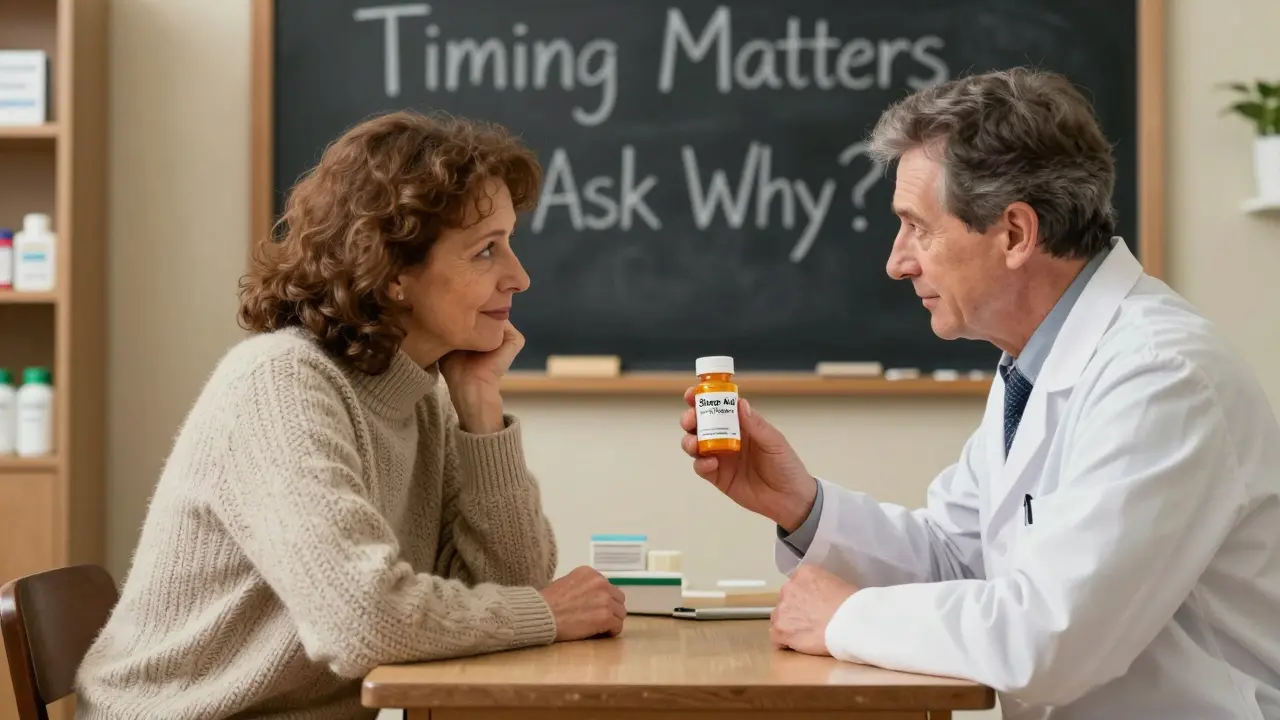
What You Should Bring
Preparation is key. Don’t rely on memory. Bring:- All prescription bottles (even empty ones)
- All over-the-counter pills, including pain relievers, antacids, and cold medicines
- Vitamins, minerals, and herbal supplements (even if you think they’re “natural” and harmless)
- Any patches, inhalers, eye drops, or creams you use daily
- A list of any new symptoms you’ve noticed in the past year
What You Can Expect After the Review
You won’t leave with a prescription change on the spot. The pharmacist will talk to your GP if needed. But you’ll walk away with a clear plan:- Medications you can stop
- Dosage adjustments
- Timing changes
- Alternative treatments
- Simple tips to avoid side effects
Why Pharmacists? Not Just Your Doctor
Doctors are amazing. But they’re busy. A typical GP visit is 10 minutes. A pharmacist has 30 minutes-and they’ve spent years studying how drugs interact. They don’t just know what a pill treats. They know how it affects your liver, your kidneys, your sleep, your mood. They spot patterns doctors miss. In fact, research shows that pharmacist-led reviews reduce hospital admissions by up to 20% in high-risk patients. That’s not a small number. It means fewer emergency trips, fewer tests, fewer bills. And here’s the best part: you’re not just a patient. You’re part of the decision. The pharmacist asks what matters to you. “Do you want to cut down on pills? Are you worried about cost? Do you have trouble opening bottles?” They tailor the plan to your life-not just your diagnosis.
What If You Don’t Do It?
Skipping your annual review doesn’t mean you’re doing anything wrong. But it does mean you’re flying blind. Side effects add up. Medications interact silently. Doses drift. And over time, you might be taking more pills than you need-without even knowing it. A 2022 study found that people who skipped their medication review were twice as likely to experience a serious side effect in the next year. That’s not a guess. That’s data. The NHS and many private providers now encourage these reviews. Some even send reminders. If you haven’t been contacted, don’t wait. Walk into your local pharmacy and ask: “Can I have my annual medication review?” It’s free. It’s quick. And it could save you from a lot of pain.Real Impact: Stories from the Pharmacy
One woman in Bristol had been taking a sleep aid for 12 years. She thought she needed it. Her pharmacist found she was taking a drug that was no longer recommended for long-term use-and it was causing memory fog. They switched her to a non-drug sleep routine. Within three weeks, her memory improved. Another man was on four different heart medications. He didn’t know two of them were for the same condition. One was outdated. After the review, he cut down to two. His dizziness stopped. His energy came back. These aren’t rare cases. They happen every day.Is an annual medication review free in the UK?
Yes, if you’re eligible. Most NHS pharmacies offer this service for free, especially for people on multiple medications, over 65, or with long-term conditions. Private pharmacies also often provide it at no cost as part of their care services. Check with your local pharmacy-they’ll tell you if you qualify.
Do I need to see my GP before the review?
No. You can walk into a pharmacy and ask for the review without a referral. But the pharmacist may contact your GP if they recommend stopping, changing, or adding a medication. They’ll always check with your doctor before making changes to prescriptions.
Can I bring my family member’s medications?
Yes-if you have their permission. Many people help elderly parents or partners with their meds. Pharmacists welcome this. Just make sure you have consent to discuss their health. Some pharmacies provide forms for this.
What if I don’t take any supplements or over-the-counter drugs?
Even if you think you don’t, you might be. Many people forget things like aspirin, antacids, or herbal teas. The pharmacist will still review your prescriptions, check for duplicates, and ensure your doses are correct. You still benefit.
How often should I have a medication review?
Once a year is the standard recommendation. But if your health changes-like a new diagnosis, hospital stay, or side effect-you should schedule one sooner. Don’t wait for the yearly reminder. Ask when you feel something’s off.



Kathy Leslie
13 March 2026I never thought about how many random pills I’m still taking from years ago. My mom started doing this review and ended up stopping three things she didn’t even realize were doing nothing. One was a calcium pill she’d been taking since her 50s. Turns out her bones were fine. She said she feels lighter now. Like, literally. No more bloating. Just saying.
Hugh Breen
13 March 2026OMG YES 🙌 I work at a pharmacy in Manchester and I see this EVERY DAY. People come in with 12 different bottles and say 'I just take what the doctor gave me' - and then we find TWO identical blood pressure meds, a muscle relaxant that’s been expired for 4 years, and a bottle of St. John’s Wort they got off Amazon because 'it helped my cousin'. We’ve prevented so many ER trips just by asking, 'Wait, why are you taking this?' 🧪💊
Byron Boror
14 March 2026This is another government waste of time. Why should I pay for someone to tell me what I’m already taking? If you can’t read a label, don’t take the pill. Stop coddling people. The real problem is that doctors prescribe too much and the system lets them. This review is just another bureaucratic layer. You want to cut side effects? Stop overprescribing. Simple.
Sabrina Sanches
16 March 2026I brought my whole medicine cabinet to my review last year and found out I was taking two different versions of the same statin. I thought one was for cholesterol and the other was for inflammation. Turns out they were identical. I stopped one. My muscles stopped aching. I didn’t even know they were connected. Thank you pharmacy. You’re the real MVPs. Seriously. No cap.
Shruti Chaturvedi
18 March 2026In India we dont have this system but my sister in London told me her pharmacist found a dangerous interaction between her diabetes med and a herbal tea she drank daily. She was shocked. I think everyone should do this. Even if you think you are fine. Just one conversation can save you
Katherine Rodriguez
19 March 2026I don't trust this. Pharmacies are owned by corporations. They're not your friends. They want you to keep buying stuff. What if they just tell you to switch to a more expensive brand? Or keep you on something just so they can sell you the 'new improved version'? I read a story once where a pharmacist got fired for suggesting a patient stop a pill because it was useless. They replaced it with a $120 alternative. Don't fall for it.
Devin Ersoy
20 March 2026Look. I get it. This sounds sweet. But let’s be real. The real reason this works is because pharmacists have the time to actually *listen* - something doctors haven’t done since the 1990s. We’ve turned healthcare into a conveyor belt. You get in, you get stamped, you get out. But a pharmacist? They’ve got the patience to ask, 'So... what’s your life actually like?' And when you answer? That’s when the magic happens. It’s not about the pills. It’s about the person behind them. And that? That’s revolutionary.
Scott Smith
21 March 2026I’ve been doing this for 12 years. I work in a rural pharmacy. People bring in bags of meds they haven’t opened in years. One woman had a bottle of thyroid medicine from 2008. She’d stopped taking it after her husband died but never told anyone. We caught it. She cried. Then she hugged me. That’s why I do this. Not for the paycheck. For the moments like that.
Sally Lloyd
23 March 2026I think this is part of a larger agenda. Who controls the pharmaceutical databases? Who updates the drug interaction logs? Who decides what’s 'necessary'? The same companies that make the drugs. This review sounds harmless. But it’s just another way to normalize surveillance. They track your meds. They log your habits. Next thing you know, your insurance premium goes up because you took too many 'unnecessary' pills. Don’t be fooled.
Emma Deasy
25 March 2026I must express, with the utmost gravity and solemnity, that this article, while ostensibly well-intentioned, is in fact a profoundly delicate, nuanced, and exquisitely orchestrated revelation of systemic healthcare neglect - a quiet, creeping, and tragically under-recognized epidemic of pharmaceutical inertia that has, for decades, been silently eroding the very foundations of personal autonomy in medical decision-making. The fact that a 72-year-old man was unknowingly doubling his dose of a painkiller - and that this was only uncovered through a *pharmacist’s* intervention - is not merely a coincidence; it is a damning indictment of a system that has outsourced critical cognitive labor to a profession that, despite its rigorous training, is still tragically under-resourced, under-appreciated, and tragically underpaid. One must ask: if a pharmacist, with years of pharmacological mastery, is the one who must catch these errors - then why are physicians, the ostensible arbiters of medical authority, so utterly disconnected? The answer, I fear, lies not in incompetence, but in institutional decay. This review is not a service. It is a lifeline. And we are all, each of us, clinging to it - with trembling hands - in a world that has forgotten how to care.