Opioid Metabolism: How Your Body Processes Pain Medications
When you take an opioid, your body doesn’t just hold onto it—it breaks it down, transforms it, and gets rid of it. This process is called opioid metabolism, the biochemical process by which the liver and other organs convert opioids into metabolites that can be excreted. Also known as drug biotransformation, it’s what determines how long the pain relief lasts, how strong the side effects are, and whether you’re at risk for dangerous interactions. Not everyone processes opioids the same way. Some people break them down fast and need higher doses. Others process them slowly and can overdose even on normal prescriptions. The key player here is a group of liver enzymes, especially CYP3A4, a major enzyme in the liver that metabolizes over half of all prescription drugs, including many opioids.
When CYP3A4 is blocked—by grapefruit juice, certain antibiotics, or antifungal meds—opioids build up in your system. That’s why someone on a low dose of oxycodone might suddenly feel dizzy or stop breathing after starting an antifungal pill. On the flip side, if CYP3A4 is super active—due to smoking, St. John’s Wort, or some epilepsy meds—the opioid gets cleared too fast, and pain comes back sooner. Another enzyme, CYP2D6, responsible for activating codeine and hydrocodone into their stronger painkilling forms, works differently too. Some people have a genetic variant that makes this enzyme work too well, turning a normal dose into a dangerous one. Others barely activate the drug at all, getting no pain relief. This isn’t guesswork—it’s science backed by real patient cases and FDA warnings.
Understanding opioid metabolism isn’t just about avoiding overdoses. It explains why some people get nauseous or sleepy on certain painkillers while others don’t. It’s why switching from one opioid to another doesn’t always work the same way. It’s why your pharmacist asks about every other pill you take—even the herbal ones. The posts below dig into real cases: how antidepressants can interfere with pain meds, why liver disease changes your opioid dose, and how genetics play a role in who responds to what. You’ll find practical info on what to ask your doctor, how to spot dangerous combos, and what tests might help if your pain meds just aren’t working right. No fluff. Just what you need to stay safe and get the relief you’re looking for.
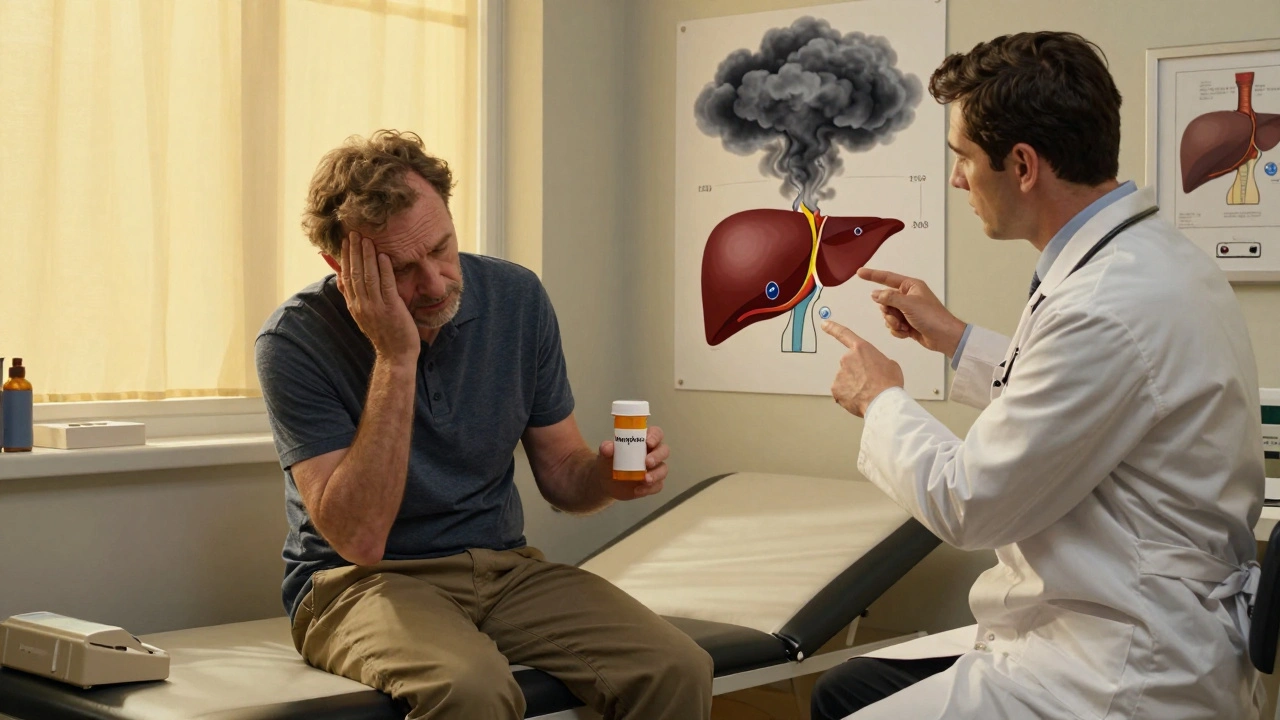
Opioids and Liver Disease: How Impaired Metabolism Increases Risk of Toxicity
Opioids can become dangerous in liver disease due to impaired metabolism, leading to toxic buildup. Learn how morphine, oxycodone, and other opioids behave in liver impairment-and what safer alternatives exist.
Medications
Latest Posts





Tags
- online pharmacy
- medication safety
- generic drugs
- medication
- dietary supplement
- side effects
- drug interactions
- online pharmacy UK
- polypharmacy
- FDA drug safety
- mental health
- impact
- online pharmacies
- statin side effects
- dosage
- adverse drug reactions
- generic vs brand
- pediatric antibiotics
- antibiotic side effects
- skin health