Hatch-Waxman Act: How Generic Drugs Got Approved and Changed Healthcare
When you pick up a generic pill at the pharmacy, you’re benefiting from the Hatch-Waxman Act, a 1984 U.S. law that balanced drug innovation with affordable access. Also known as the Drug Price Competition and Patent Term Restoration Act, it created the modern system for bringing generic versions of brand-name drugs to market. Before this law, companies could sit on patents for years, blocking cheaper alternatives—even after the original drug’s effectiveness was proven. The Hatch-Waxman Act changed that by letting generic makers prove their drugs were the same, without repeating expensive clinical trials.
This law didn’t just help patients—it reshaped the entire pharmaceutical industry. It gave brand-name companies a way to extend their patents by up to five years if they spent time in FDA review, while also creating a clear path for generics to enter the market. That’s why today, over 90% of prescriptions in the U.S. are filled with generics. The law also introduced the Abbreviated New Drug Application, a streamlined FDA process for generic drug approval, which lets companies skip full safety studies if they show bioequivalence to the original. And it created the Orange Book, the official FDA list of approved drugs and their patent and exclusivity status, so manufacturers and pharmacies know exactly when a generic can legally launch.
What you’ll find in these articles isn’t just legal history—it’s real-world impact. You’ll see how the Hatch-Waxman Act connects to generic prescribing guidelines, drug interactions, and why some medications still cost more than others. Some posts talk about how patents delay access to cheaper versions. Others show how patients benefit from lower prices on insulin, antidepressants, and antipsychotics—all thanks to this law. Whether you’re a patient trying to save money, a clinician choosing between brand and generic, or just curious about how drugs get priced, this collection shows you the system behind the pill bottle.
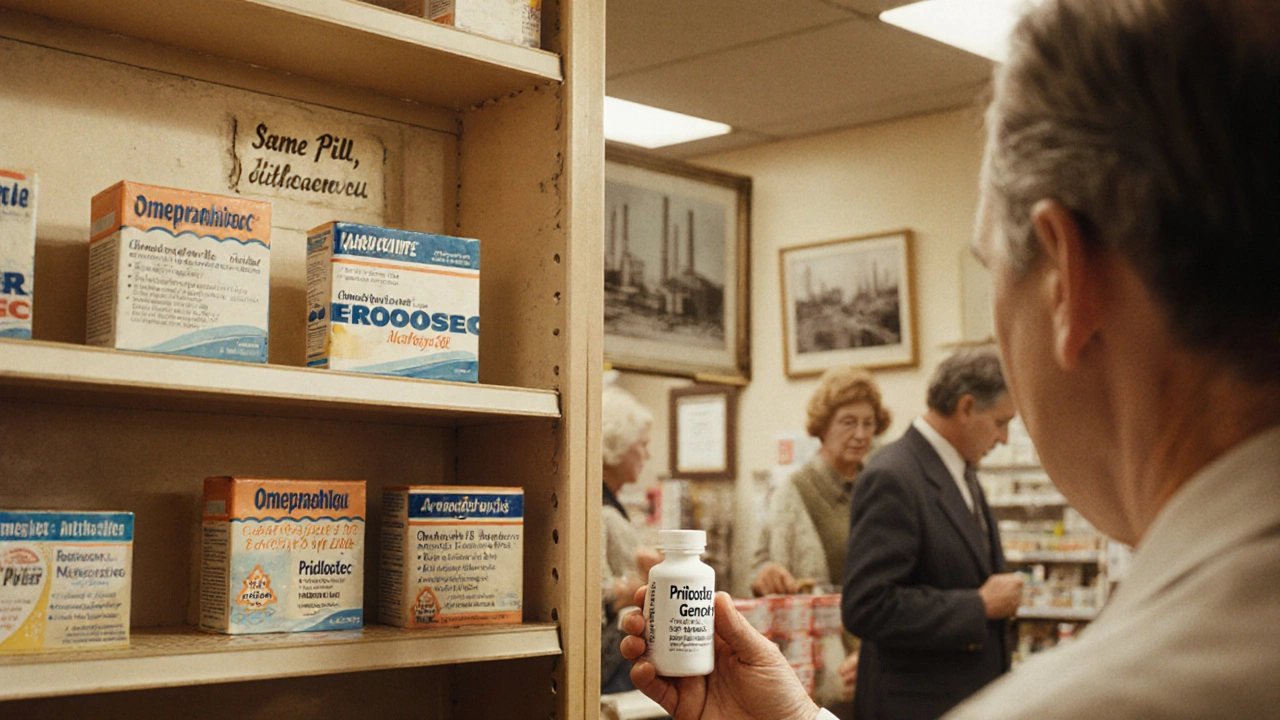
How Brand Manufacturers Produce Their Own Generic Versions
Brand manufacturers produce their own generic versions to keep market share after patents expire. These authorized generics are identical to the brand drug, made in the same factory, and offer a middle ground between high brand prices and cheaper competitors.
Medications
Latest Posts



Tags
- online pharmacy
- medication safety
- generic drugs
- medication
- dietary supplement
- side effects
- drug interactions
- online pharmacy UK
- polypharmacy
- FDA drug safety
- mental health
- impact
- online pharmacies
- statin side effects
- dosage
- adverse drug reactions
- generic vs brand
- pediatric antibiotics
- antibiotic side effects
- skin health