
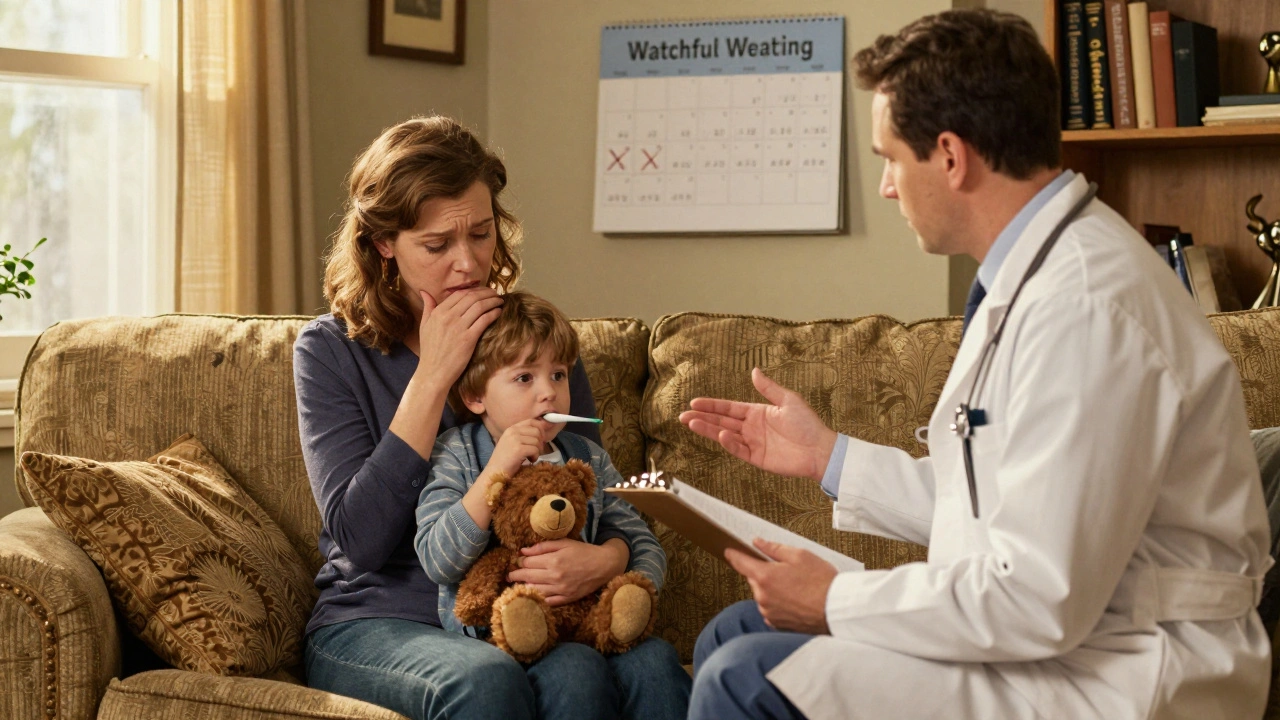

Every parent has been there: your child has a fever, a sore throat, or a runny nose that won’t quit. You want to fix it-fast. And when the doctor says, antibiotics might help, it’s tempting to say yes. But here’s the truth: antibiotics don’t work for most childhood illnesses. Giving them when they’re not needed doesn’t speed up recovery-it puts your child at risk.
What Antibiotics Actually Do (and Don’t Do)
Antibiotics are powerful drugs designed to kill bacteria or stop them from multiplying. They don’t touch viruses. That’s critical. Most coughs, colds, ear infections, and stomach bugs in kids are caused by viruses. In fact, 99% of diarrhea and vomiting cases in children are viral. So if your child has a runny nose, cough, or fever that started suddenly, antibiotics won’t help. They won’t shorten the illness. They won’t make your child feel better faster.
Only about 20% of sore throats are bacterial-specifically strep throat. Only 10% of pneumonia cases in kids are bacterial. And even then, doctors don’t just guess. They test. A rapid strep test confirms strep throat. For ear infections, they look for signs like severe ear pain, a bulging eardrum, or fluid draining from the ear. If those aren’t there, watchful waiting is the right call.
That’s not just advice-it’s standard practice. The CDC says 30% of antibiotic prescriptions for children are unnecessary. That means nearly one in three kids gets antibiotics they don’t need. And each time that happens, it makes the next infection harder to treat.
Common Antibiotics Used in Kids
When antibiotics are needed, doctors pick the safest, most effective one for the job. The most common is amoxicillin. It’s used for ear infections, sinus infections, and some types of pneumonia. It’s given twice a day, usually for 10 days. Dosing is based on weight: 80-90 mg per kilogram per day, split into two doses. For kids over 40 kg, the max is 3,000 mg per day.
Other options include:
- Cephalosporins like cefdinir or ceftibuten-used when amoxicillin doesn’t work or for more serious infections.
- Azithromycin (a macrolide)-often given for whooping cough or milder pneumonia, usually in a 3-5 day course.
- Penicillin G-used in specific cases, especially if the child has a known sensitivity to amoxicillin.
Each antibiotic targets different bacteria. Amoxicillin is broad-spectrum, meaning it covers many types. That’s why it’s the first choice. But it’s not always the right one. Doctors now avoid broad-spectrum antibiotics unless they’re sure it’s needed.
Side Effects: More Common Than You Think
One in ten children will have a side effect from antibiotics. Most are mild-but they’re still uncomfortable.
- Diarrhea happens in 5-25% of kids, depending on the antibiotic. It’s caused by antibiotics killing off good bacteria in the gut.
- Nausea and vomiting affect 3-18% and 2-10% of children, respectively.
- Rashes show up in 2-10% of cases. But here’s the big misunderstanding: most rashes aren’t allergies. About 80-90% are just side effects-mild, flat, pink spots that don’t itch or spread. They go away on their own.
- Yeast infections (like oral thrush or diaper rash) occur in 1-5% of kids, especially after longer courses.
These aren’t rare. They’re normal. But they’re also avoidable. That’s why doctors are pushing back on prescribing antibiotics unless absolutely necessary.
True Allergies: When It’s Serious
True antibiotic allergies are rare-but dangerous. If your child has:
- Hives (raised, itchy red welts)
- Swelling of the lips, tongue, or face
- Wheezing or trouble breathing
- Dizziness or fainting
-that’s an allergic reaction. Call 911 or go to the ER. These reactions can be life-threatening.
But here’s what most parents don’t know: family history doesn’t predict your child’s allergy. If you’re allergic to penicillin, your child isn’t automatically allergic. Studies show 95% of kids labeled ‘penicillin-allergic’ based on family history can take it safely. Many were misdiagnosed because they had a rash after a virus, not a true allergy.
That’s why allergists now recommend skin testing for kids with suspected penicillin allergies. It’s safe, quick, and can clear up years of unnecessary fear-and avoid limiting future treatment options.

Why Stopping Early Is Dangerous
It’s tempting. Your child feels better after two days. The fever’s gone. The ear doesn’t hurt anymore. So you stop the antibiotics.
Don’t.
Stopping early is one of the biggest reasons antibiotic resistance is growing. When you don’t finish the course, the strongest bacteria survive. They multiply. Next time, they won’t respond to the same drug. That’s how superbugs like MRSA spread.
Even if your child feels fine, finish the full course. If it’s a 10-day prescription, give all 10 days. If it’s a 5-day azithromycin course, give all 5-even if they’re back to playing soccer on day three.
And if your child vomits within 30 minutes of taking the dose, give the full dose again. If it’s between 30 and 60 minutes, give half. After an hour, don’t repeat it-wait for the next scheduled dose.
How to Get Kids to Take Their Medicine
Let’s be honest: most antibiotics taste awful. Liquid amoxicillin? Like bitter chalk. No wonder 43% of kids refuse to take it.
Here’s what works:
- Mix it with a small spoonful of chocolate syrup, applesauce, or yogurt. Don’t mix it into a whole bowl-your child might not eat it all and miss the dose.
- Use a dosing syringe, not a spoon. It’s more accurate and easier to get the medicine past the tongue.
- Ask your pharmacist about flavoring. Many compounding pharmacies can add strawberry, bubblegum, or grape to make it tolerable.
- Give it right before a meal or snack. Food helps mask the taste and reduces nausea.
And if your child spits it out? Don’t force it. Try again in 10 minutes. Stressing out won’t help. Calm persistence will.
When to Call the Doctor
Most kids improve within 48-72 hours of starting antibiotics. If they don’t-if the fever stays, the ear still hurts, or they’re getting worse-call the doctor. Don’t wait. It could mean the infection isn’t bacterial, or the bacteria are resistant.
Also call if:
- Your child develops hives, swelling, or trouble breathing (call 911 immediately).
- They have severe diarrhea (more than 8 watery stools a day).
- They’re not drinking, are unusually sleepy, or have a rash that spreads quickly.
These aren’t side effects-they’re red flags.
The Bigger Picture: Antibiotic Resistance
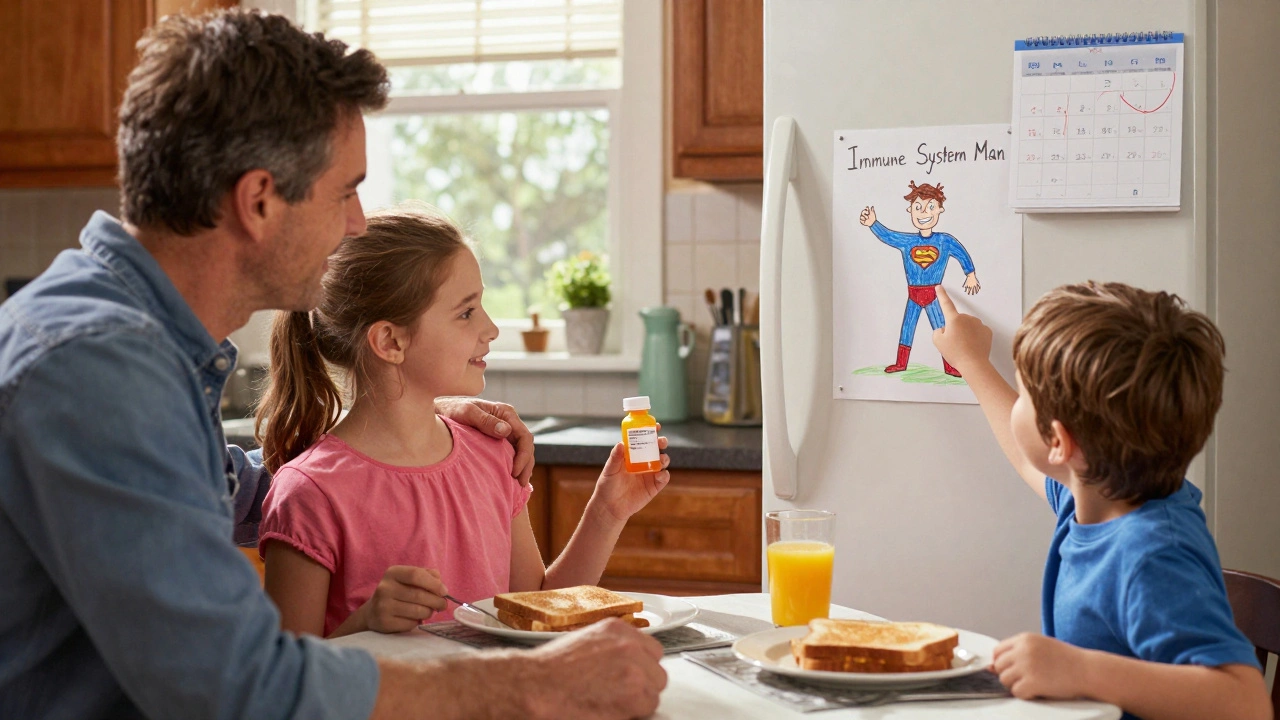
Every time we use antibiotics unnecessarily, we lose a little more of their power. In 2023, 47% of Streptococcus pneumoniae strains-the bacteria that cause ear infections and pneumonia-were resistant to penicillin. That’s up from 35% in 2013.
Methicillin-resistant Staphylococcus aureus (MRSA) infections in kids have jumped 150% since 2010. These aren’t hospital-only bugs anymore. They’re in schools, daycares, sports teams.
And it’s expensive. In the U.S. alone, unnecessary antibiotic prescriptions cost $1.1 billion a year. Treating the resistant infections they cause? Another $3.5 billion.
Doctors are fighting back. New tools like CRP blood tests can now tell if an infection is bacterial or viral in minutes. One 2023 study showed using CRP testing cut unnecessary antibiotic use by 85%. The FDA approved a rapid antibiotic test in January 2023 that gives results in 6 hours-not 3 days. That means doctors can pick the right antibiotic faster, and avoid broad-spectrum ones.
It’s not just about your child. It’s about every child who comes after.
What Parents Can Do
You’re not powerless. Here’s how you help:
- Don’t demand antibiotics. If the doctor says no, ask why. Say, ‘Is this definitely bacterial?’
- Don’t use leftover antibiotics. Never give your child an old prescription. The wrong drug, wrong dose, wrong illness-it’s risky.
- Know the signs. Yellow or green snot? Normal in a cold. Doesn’t mean antibiotics.
- Support your child’s immune system. Sleep, hydration, and rest do more for a viral illness than any pill.
- Ask about watchful waiting. For ear infections in kids over 6 months with mild symptoms, waiting 48-72 hours is safe and often the best choice.
The most powerful medicine for most childhood illnesses isn’t a pill. It’s time. And patience. Let your child’s body do its job. And save antibiotics for when they truly matter.
Can antibiotics treat a cold or flu in children?
No. Colds and flu are caused by viruses, and antibiotics only work against bacteria. Giving antibiotics for a cold won’t help your child feel better faster, and it increases the risk of side effects and antibiotic resistance.
My child had a rash after taking amoxicillin. Does that mean they’re allergic?
Not necessarily. Most rashes after antibiotics (80-90%) are side effects, not allergies. True allergies involve hives, swelling, trouble breathing, or anaphylaxis. If your child only had a flat, pink rash without other symptoms, they likely aren’t allergic. A pediatric allergist can confirm with testing.
How long should my child take antibiotics?
Always finish the full course, even if your child feels better. For ear infections, it’s usually 10 days with amoxicillin. For some infections like whooping cough, it’s 3-5 days with azithromycin. Stopping early lets strong bacteria survive and multiply, leading to resistant infections.
Is it safe to give my child leftover antibiotics from a previous illness?
No. Never reuse old antibiotics. The wrong drug, wrong dose, or wrong illness can be dangerous. Antibiotics are prescribed for specific infections. What worked for a past ear infection might not help-and could harm-your child’s current condition.
What should I do if my child vomits after taking an antibiotic?
If vomiting happens within 30 minutes of the dose, give the full dose again. If it’s between 30 and 60 minutes, give half the dose. If it’s more than an hour later, don’t repeat it-wait until the next scheduled dose.
Can antibiotics cause long-term gut problems in children?
Yes, in rare cases. Antibiotics can disrupt healthy gut bacteria, leading to Clostridium difficile (C. diff) infection, which causes severe diarrhea. This happens in 15-25% of antibiotic-associated diarrhea cases. It’s more common after long or broad-spectrum courses. Always use antibiotics only when necessary to reduce this risk.
Are there alternatives to antibiotics for common childhood infections?
For viral infections like colds, coughs, and flu, the best ‘alternatives’ are rest, fluids, and symptom relief-like saline drops for a stuffy nose or acetaminophen for fever. For ear infections in older children with mild symptoms, watchful waiting for 48-72 hours is often recommended before starting antibiotics. New tests like CRP and procalcitonin help doctors decide when antibiotics are truly needed.
What to Do Next
If your child has been prescribed antibiotics, make sure you understand why. Ask: Is this definitely bacterial? What’s the risk if we wait? Keep the full course on schedule. Watch for side effects. Don’t stop early. And if you’re ever unsure-call your doctor.
Antibiotics are lifesavers. But only when used right. Protecting them isn’t just about your child today. It’s about keeping them effective for the next child, the next generation.




aditya dixit
5 December 2025Antibiotics aren't magic pills-they're precision tools. Using them like candy doesn't make you a good parent, it makes you part of the problem. The body's immune system is ancient, elegant, and way more capable than we give it credit for. Most childhood illnesses are viral, and they resolve on their own with rest, fluids, and patience. Pushing antibiotics just because we're anxious? That's not care-it's control.
Annie Grajewski
5 December 2025lol so antibiotics are bad but my kid got amoxicillin for an ear infection and was running around in 2 days?? 😏 guess the science is wrong??
an mo
7 December 2025Let’s be clear: the CDC’s 30% unnecessary prescription stat is a liberal fabrication designed to push biotech deregulation. Real medicine doesn’t wait 48 hours for a fever to break-it treats. Amoxicillin is the gold standard for a reason. If your kid has a fever and a red ear drum, you don’t need a CRP test-you need a prescription. Delaying treatment is malpractice disguised as ‘watchful waiting.’
And don’t get me started on the ‘rash isn’t an allergy’ nonsense. That’s how kids end up in ICU. Every rash is a red flag until proven otherwise. The pharmaceutical lobby wants you to think it’s harmless so they can keep selling broad-spectrum drugs. Wake up.
Mark Ziegenbein
7 December 2025Look I’ve read the literature and I’ve seen the data and frankly the entire medical establishment is in a state of epistemic collapse when it comes to pediatric antibiotic use. The notion that we can rely on clinical judgment alone is archaic. We’re living in the age of molecular diagnostics yet we’re still using 1950s heuristics-red ear drum equals bacterial? Please. Procalcitonin levels, CRP kinetics, even nasopharyngeal PCR panels are available and underutilized. And don’t even get me started on the fact that amoxicillin is being used like a placebo because it’s cheap and easy. We’re not treating infections-we’re performing rituals. The rise of MRSA in daycares isn’t a coincidence-it’s the direct result of this systemic laziness. We need precision medicine or we’re all just waiting for the next pandemic to wipe out our antibiotics entirely.
Rupa DasGupta
9 December 2025But what if my baby got antibiotics for a cold and then she stopped crying? 😭 I swear it worked! I don’t care what the CDC says, I saw it with my own eyes. I’m a mom, not a scientist. 🤷♀️
Marvin Gordon
9 December 2025My daughter had a 10-day course of amoxicillin for an ear infection last year. We mixed it with applesauce and used the syringe. She hated it, but we got through it. She’s fine now. No rash, no diarrhea. Just a kid who got better because we followed through. It’s not about fear-it’s about responsibility. Do the work. Your kid’s future microbiome thanks you.
ashlie perry
10 December 2025They’re putting fluoride in the water and antibiotics in the milk. You think this is coincidence? The government wants us weak. Antibiotics destroy your gut. Your gut is your second brain. No gut = no immune system = no free will. They’re turning kids into zombies so they can control the population. You think the CRP test is for you? It’s for them.
Juliet Morgan
11 December 2025I just wanted to say… I used to panic every time my kid had a fever. I’d beg for antibiotics. Then I learned to wait. I learned to hold space for their body to heal. It’s scary. But it’s also beautiful. They’re not broken. They’re healing. And sometimes… the best thing we can do is just sit with them. No pills. Just love.
Norene Fulwiler
13 December 2025In my village in Kerala, we used neem leaves and turmeric paste for fevers. No doctor. No pills. Kids got better. I’m not saying we should reject modern medicine-but we’ve lost touch with what our bodies know. Antibiotics aren’t evil. But overuse? That’s cultural arrogance. We think we’re smarter than evolution. We’re not.
William Chin
14 December 2025It is imperative to underscore the fact that the utilization of antibiotics in pediatric populations must be governed by stringent clinical protocols and evidence-based guidelines, as the potential for the development of antimicrobial resistance constitutes a grave and escalating public health crisis of unprecedented magnitude. Furthermore, the normalization of noncompliance with prescribed therapeutic regimens, particularly through premature cessation of antibiotic courses, represents a perilous deviation from established medical orthodoxy and must be actively discouraged through educational intervention and institutional oversight.
Lynette Myles
15 December 2025They’re lying. The real reason they don’t want you to use antibiotics is because they’re hiding the vaccine link. Kids who get antibiotics young are more likely to have autism. The FDA knows. The WHO knows. But they won’t tell you.
Jimmy Jude
17 December 2025So let me get this straight… you’re telling me the most powerful drug in human history… is… just… not… for… every little sniffle? 😭 I’m devastated. My child’s fever is a sacred rite of passage. I’ve cried over fever charts. I’ve Googled ‘is this meningitis’ at 3am. And now you’re saying… I didn’t need to suffer? I didn’t need to beg? I didn’t need to cry in the pediatrician’s office? What was it all for??