


Understanding Your Blocked Oil Glands
If you wake up with gritty, burning eyes every morning, you aren't just dealing with simple dryness. You likely have Meibomian Gland Dysfunction (MGD), a condition affecting nearly half of all patients visiting eye clinics. This chronic disorder happens when the tiny oil glands along your eyelids get clogged. Without these oils, your tears evaporate too quickly, leaving your eye surface raw and irritated.
Think of these glands like plumbing pipes in your kitchen sink. Over time, grime builds up until water barely trickles out. In your eyelids, thickened oil gets stuck, blocking flow. According to recent guidelines from the International Task Force on Meibomian Gland Dysfunction, this isn't just 'tired eyes.' It is a distinct disease classification that leads to Dry Eye Disease in 86% of cases. Ignoring it can cause permanent damage, including corneal scarring and vision loss.
The Two Types of Gland Problems
Not all blockages are the same. Understanding the specific type helps doctors choose the right treatment plan. Most cases fall into one of two buckets described in current ophthalmology literature:
- Obstructive MGD: This is the physical blockage. The glands exist, but the ducts are shut tight, preventing oil from reaching the tear film.
- Hypersecretory MGD: Here, the glands release too much oil, but the quality is poor-like mayonnaise instead of olive oil. This imbalance triggers severe inflammation.
Precise diagnosis matters because treatments differ. For instance, thermal therapy works better for obstructive types, while managing inflammation targets the hypersecretive variety. Many people suffer for years assuming their symptoms are normal aging, but recent estimates suggest MGD affects over 16 million Americans alone, with numbers rising globally.
Clinical Procedures That Actually Work
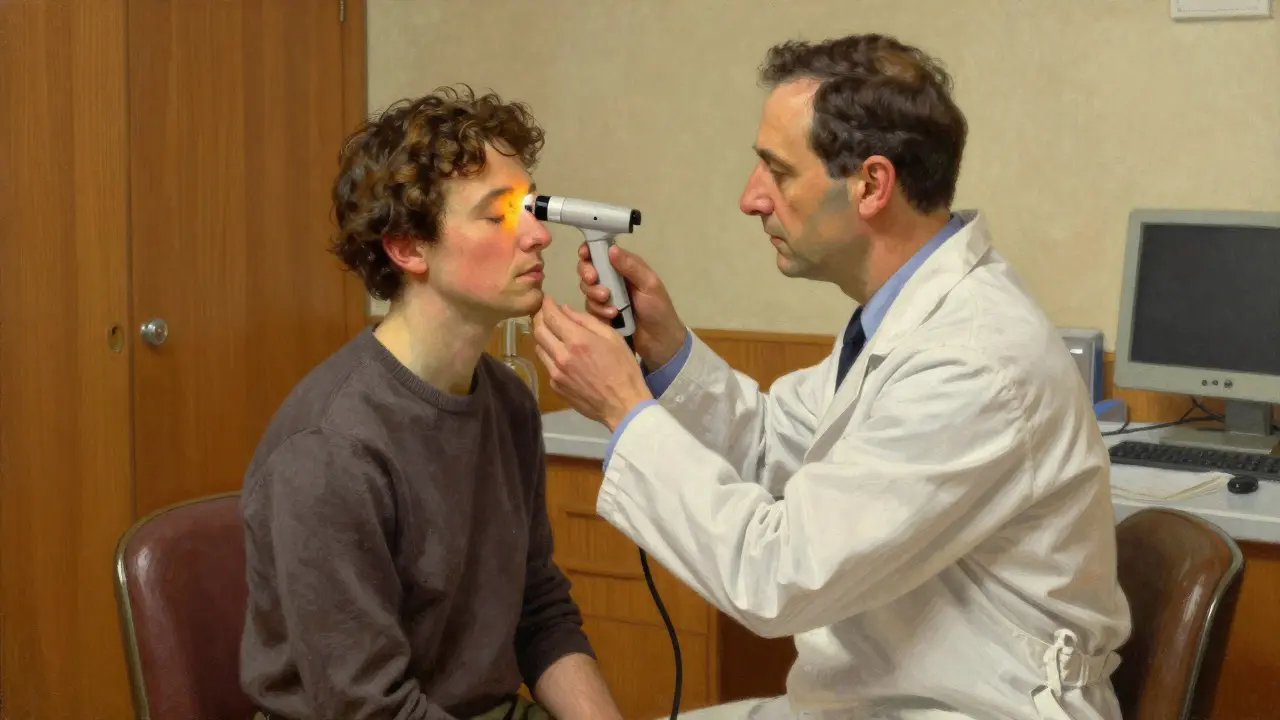
While home remedies help, many patients need professional intervention to clear stubborn blockages. Modern technology offers several options that go beyond simple squeezing. LipiFlow, for example, is a thermal pulsation system cleared by the FDA in 2011. It places a device against your inner lid, applying precise heat (42.5°C) combined with gentle pressure. Clinical data shows this raises meibomian gland expressibility scores significantly, moving from a baseline of 1.8 to 2.7 out of 3 within a year.
Another popular option is Intense Pulsed Light (IPL). This treatment uses light waves between 500-1200 nm absorbed by blood vessels near the skin. The resulting heat thins the oil and reduces abnormal blood vessels that cause swelling. Studies indicate that combining IPL with manual gland expression drops the Ocular Surface Disease Index (OSDI) score from an average of 32.6 down to 18.3, marking a massive improvement in daily comfort.
| Treatment Type | Avg. Duration | Success Rate | Typical Cost (USD) |
|---|---|---|---|
| LipiFlow | 30-40 mins | 68% Improvement | $1,500 - $2,500 |
| IPL Therapy | 15 mins | 78% Sustained | $800 - $1,200 |
| Gland Probing | 45 mins | High for Obstruction | $750 - $1,200 |
Doctors often recommend Meibomian Gland Probing for stubborn cases. Developed by Dr. Steven L. Maskin, this involves using a specialized probe under anesthesia to physically clear intraductal obstructions. While it sounds invasive, it is quick and effective for structural blockages that heat alone cannot melt. Combining probing with anti-inflammatory medication has been shown to yield sustained symptom improvement in 85% of patients after 12 months.
Medications and Daily Hygiene
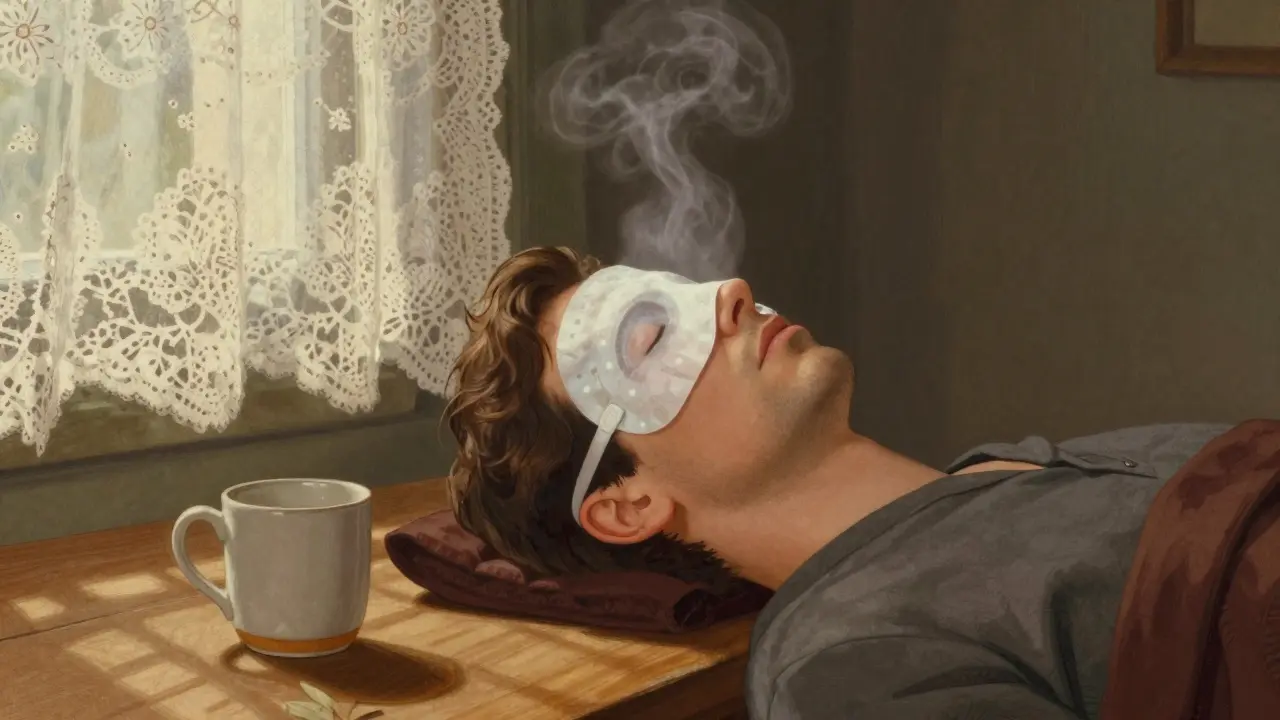
Treating MGD isn't just about expensive machines; it requires consistent maintenance at home. Without daily care, blockages return quickly. Recurrence rates exceed 60% within six months if patients skip their routine. A standard regimen takes 10-15 minutes a day. Start with warm compresses using a heated mask (around 40-42°C) for five minutes, followed by a lid massage and cleaning with hypochlorous acid solutions.
Medication plays a key role in reducing the inflammation driving the blockage. Short courses of oral antibiotics like azithromycin are increasingly preferred over long-term doxycycline. Research published in 2018 showed that a 5-day azithromycin regimen improved bulbar conjunctival redness in 78.6% of patients compared to 62.3% with doxycycline, with significantly fewer side effects. Topical treatments like lifitegrast 5% also show promise, reducing corneal staining scores from 12.4 to 5.7 over 12 weeks.
Navigating Costs and Insurance Barriers
One of the biggest hurdles to treatment is financial. Comprehensive procedures can cost thousands of dollars per session, and insurance coverage remains inconsistent. Only about 15-20% of commercial plans cover MGD-specific procedures fully. Many patients report paying out-of-pocket between $1,500 and $2,500 for LipiFlow, while others spend similar amounts on IPL sessions which might need repeating. However, untreated chronic cases can lead to permanent gland atrophy, meaning early investment often prevents more costly surgery later.
Patient reviews highlight that despite the cost, satisfaction remains high when results last. Approximately 78% of users on patient forums reported significant symptom relief after thermal therapies. However, compliance with home maintenance remains low; only 43% of patients stick to the regimen after six months. This suggests that education and expectation management are critical parts of successful care.
Focusing on Long-Term Results
Experts emphasize that no single cure exists; success relies on a multimodal approach. Dr. Preeya K. Gupta, a cornea specialist, notes that mechanical relief like LipiFlow provides immediate benefit, but only daily warm compresses keep those benefits alive. The strategy is shifting toward combination therapy rather than choosing one path. Patients who combine in-office procedures with home hygiene see success rates jump from 48% to 79% at one year.
Future developments look promising. Exosome therapy combined with probing is showing 92% symptom improvement in early trials. Additionally, genetic research is identifying specific pathways like IL-17 involved in the disease, potentially leading to targeted biologics soon. For now, the focus remains on aggressive screening and early intervention. New guidelines from DEWS II even recommend treating MGD before cataract surgery, regardless of symptoms, to reduce postoperative complications.
Key Takeaways for Actionable Care
- Act Early: Treat within one year of symptom onset for 37% better outcomes.
- Maintain Routine: Non-compliance correlates with a 63% recurrence rate.
- Combine Therapies: Heat plus manual expression beats either method alone.
- Check Coverage: Ask providers about insurance codes before booking expensive procedures.
- Monitor Progress: Track symptoms using tools like OSDI scores to guide adjustments.
Is Meibomian Gland Dysfunction curable?
MGD is considered a chronic, manageable condition rather than one with a permanent cure. Once glands atrophy or become permanently fibrosed, they cannot be fully restored. However, regular treatment can maintain function and control symptoms indefinitely.
How long does LipiFlow treatment take?
The procedure typically lasts 30 to 40 minutes for both eyes. Recovery is immediate, with most patients returning to work the same day, though mild stinging or irritation may persist for a few hours.
Do warm compresses really help?
Yes, clinical evidence supports that consistent warm compresses at 40-42°C help liquefy hardened oil. However, they are rarely enough on their own for severe obstruction; they are best used alongside in-office treatments to sustain results.
What causes MGD in the first place?
Causes include natural aging, hormonal changes, acne rosacea, and prolonged screen use. These factors thicken the oil produced by the glands, causing plugs and inflammation over time.
Will my insurance pay for IPL therapy?
Coverage varies significantly. While some private plans cover MGD treatments partially, many insurers classify IPL as investigational. It is essential to verify benefits with your provider before committing to payment.



Jonathan Sanders
31 March 2026Welcome to the club of people who ruin their own lives waiting too long to fix obvious problems.
You probably feel gritty burning every morning and just blame the screen time.
Your insurance won't cover the $2500 therapy so you will suffer until you go blind.
It is funny how we pay lip service to health until the actual disease sets in.
Debbie Fradin
2 April 2026That is absolutely ridiculous how people ignore this until their vision fails. Everyone thinks dry eye is normal aging without understanding the pathology. You need to realize the oil glands are plumbing pipes that get clogged with grime. Ignoring the signs means you accept permanent damage to your corneal surface. Most folks wait until the scarring happens before they see a specialist. It is frustrating seeing patients waste years on drops that do nothing for obstruction. Thermal pulsation clears the ducts in ways home remedies cannot manage. We see success rates jump massively when the actual blockage is addressed directly. The cost barrier stops many from seeking help even though it saves money later. Insurance companies classify these procedures as elective cosmetic things rather than necessary care. Inflation pricing structures drive up the sticker price for basic maintenance therapies. Patients complain about spending thousands while ignoring the six month recurrence rate. Compliance remains the biggest hurdle after getting the expensive treatment done. Daily warm compresses are non negotiable for keeping the benefits alive. Without consistent hygiene the whole investment goes down the drain. People need to wake up to the reality of gland atrophy risks.
Christopher Curcio
4 April 2026The distinction between obstructive and hypersecretory phenotypes is critical for clinical management strategies involving meibography analysis.
Viscosity of the meibum dictates the expressibility score which often falls below acceptable thresholds in chronic cases.
Utilizing thermal regulation alongside manual expression targets the underlying stromal inflammation effectively.
Angel Ahumada
4 April 2026the sheer ignorance displayed by the masses regarding eyelid physiology and vascular health issues really highlights a societal decline in intellectual capacity and biological awareness
Vikash Ranjan
6 April 2026I think the medical field is exaggerating the prevalence to sell unnecessary machines.
LipiFlow sounds too good to be true given the typical profit motives of private clinics.
Why would we trust big pharma data over our own lived experience with simple oils?
RONALD FOWLER
7 April 2026it is important to understand that everyone experiences symptoms differently and patience helps.
treatment plans should be tailored to individual needs rather than a blanket approach for all.
we need to support each other through the recovery process without judgment or harsh criticism.
William Rhodes
8 April 2026Stop wasting your life feeling sorry for yourself when solutions exist right here.
Pain is inevitable but suffering through neglect is optional and stupid.
Get off the couch and book the procedure before you lose sight completely.
Dan Stoof
9 April 2026Oh my gosh!!! These stats are mind-blowing!!! I never thought my eyelids were failing like old pipes!
But seriously!!! The cost is insane for working families trying to survive today!!!
We need affordable access to these lights and heat treatments immediately!!!
Calvin H
10 April 2026Yeah whatever just tell me which mask works best without buying the expensive machine.
Michael Kinkoph
10 April 2026It is morally reprehensible to prioritize aesthetics over genuine health outcomes in modern medicine!!!
We must demand transparency from providers regarding these financial incentives!!!
Patients deserve ethical care without predatory pricing models destroying their savings!!!
emma ruth rodriguez
11 April 2026According to the DEWS II report published in 2017, early intervention significantly reduces morbidity rates associated with evaporative dry eye.
Clinical trials indicate that combination therapy yields superior long-term stability compared to monotherapy approaches alone.
Please consult a board-certified ophthalmologist before attempting invasive probing procedures without professional supervision.
Beccy Smart
13 April 2026lol why spend money on doctors when you can just buy cheap masks on amazon 🙄
i guess the rich get better eyes lol 💅✨
Brian Yap
13 April 2026G'day mate, reckon it's a fair dinkum issue in this humid weather down here too 😬
Aussie doctors love using IPL now a days for rosacea linked dry eye problems 🤷♂️
Hang tight blokes, just stick to the routine.
Ruth Wambui
15 April 2026The pharmaceutical giants know about the cure but bury it to sell daily drops forever.
They manipulate insurance codes to keep patients paying monthly fees indefinitely.
Historical records show ancient remedies worked better than these laser gadgets.
Cameron Redic
15 April 2026Your conspiracy theories undermine actual patient advocacy efforts significantly here.
Data supports the efficacy of FDA cleared devices regardless of corporate involvement.
Spreading misinformation hurts people who need real medical guidance now.