
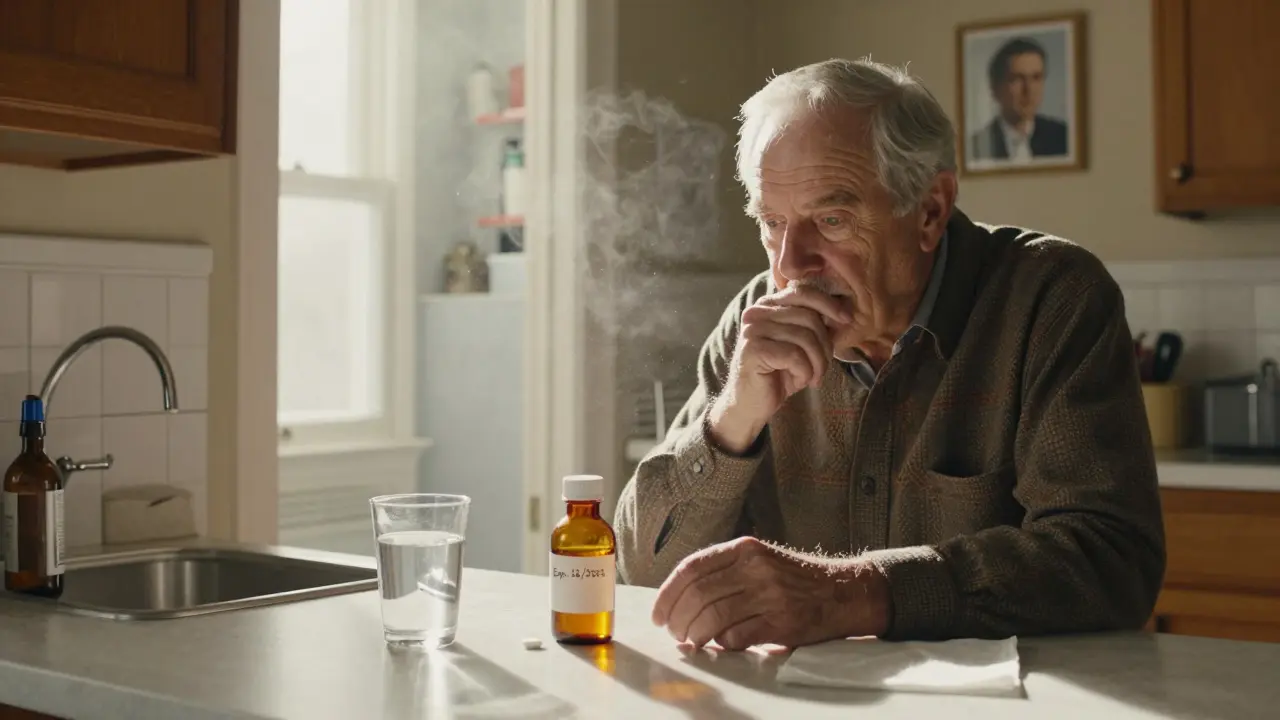

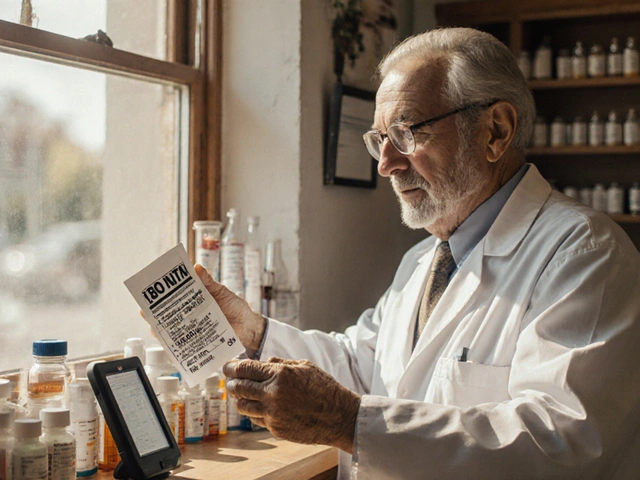
Most people toss out medications the moment they hit their expiration date. You see it on the bottle: Exp. 12/2023. Out with it. But what if that date isn’t the end of the story? What if your old painkillers, allergy pills, or blood pressure meds are still working-just fine-years later?
Expiration Dates Aren’t What You Think
The date on your medicine bottle isn’t a magic deadline when the drug turns into poison. It’s a guarantee from the manufacturer that the medication will be at least 90% as strong as labeled up to that point. After that? No one’s required to test it. The FDA doesn’t demand long-term stability studies. Companies pick a date-usually 1 to 5 years after production-not because they know the drug stops working then, but because it’s the minimum they’re legally required to prove.A 2012 study by the University of California-San Francisco looked at drugs that had expired 28 to 40 years earlier. The results? Twelve out of fourteen medications still had full potency. Eight of them were still at 100% strength after 40 years. That’s not a fluke. It’s science.
The U.S. Department of Defense has been running a program called SLEP since 1986, testing stockpiled drugs under perfect storage conditions. They found that 88% of the 122 drugs they tested could safely have their expiration dates extended-on average, by more than five years. One drug lasted over 23 years past its original date and still worked.
Not All Medicines Are Created Equal
You can’t treat every pill the same. Stability depends on the form and chemistry of the drug.Stable for years: Tablets and capsules like aspirin, ibuprofen, codeine, hydrocodone, and many antibiotics in pill form. These are dry, sealed, and chemically stable. Even after being opened, many retain potency for years if kept dry and cool.
Unstable after expiration: Liquid antibiotics, insulin, nitroglycerin, epinephrine auto-injectors (like EpiPens), and tetracycline. These break down fast. Liquid forms are exposed to air and moisture. Insulin can clump. Nitroglycerin loses potency quickly, even in sealed bottles. EpiPens may not deliver the full dose after expiration, which could be life-threatening in an allergic reaction.
Harvard Medical School and the FDA both warn against using these high-risk drugs past their date. No exceptions. If you rely on an EpiPen or insulin, replace it on time. There’s no room for guesswork.
Storage Makes All the Difference
Where you keep your meds matters more than you think.Medications stored in a bathroom cabinet? That’s a steamy, humid environment. Heat and moisture destroy potency. A drawer in a cool, dry room? That’s ideal. The original bottle? Essential. Once you transfer pills to a pill organizer or a random container, you expose them to air and humidity. That speeds up degradation.
Researchers found that drugs kept in their original, sealed containers under ideal conditions often stayed potent for over a decade. The same drugs, moved to a pharmacy blister pack or a plastic bag, degraded much faster. That’s why the 2012 study only tested unopened, factory-sealed bottles. Don’t assume your old pills in a dusty drawer are still good.
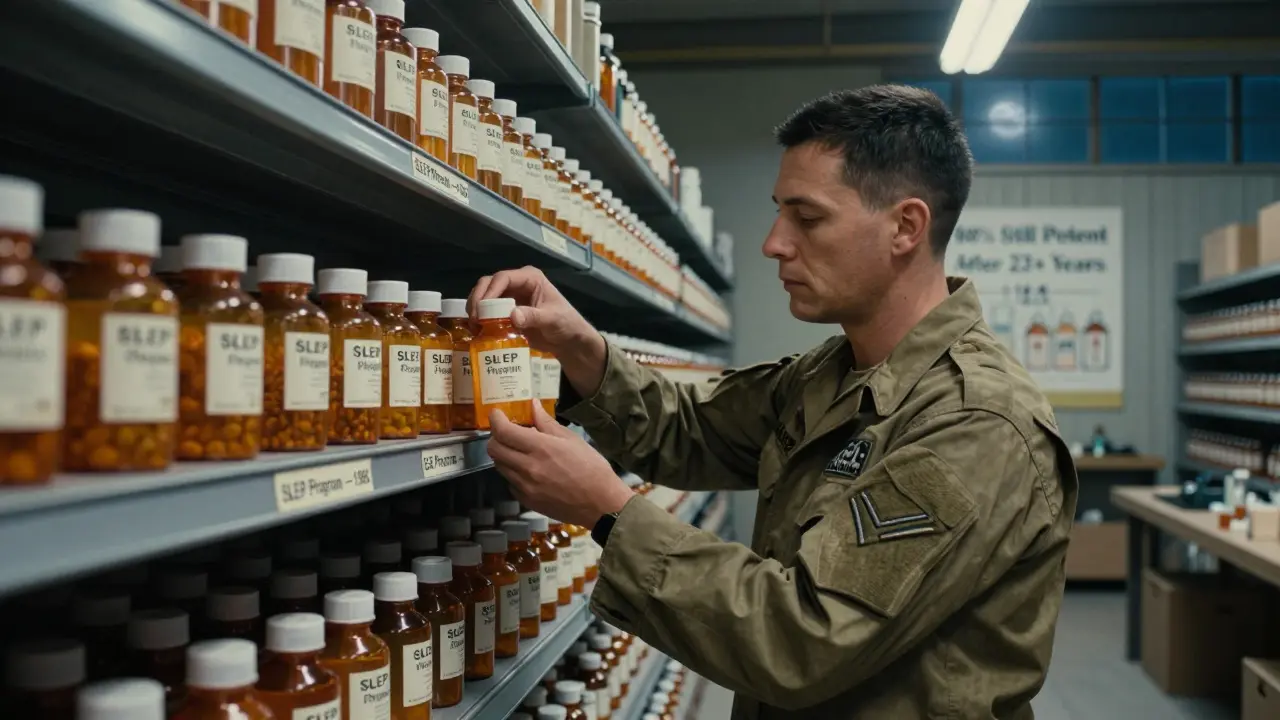
Is It Safe to Use Expired Medicine?
Let’s cut through the fear.There’s no evidence that expired medications become toxic. The risk isn’t poisoning-it’s reduced effectiveness. Taking an expired painkiller might mean you get 70% relief instead of 100%. Taking an expired antibiotic might not kill all the bacteria, leading to a worse infection or antibiotic resistance.
For non-critical meds-like antihistamines for allergies, mild pain relievers, or acid reducers-a pill that’s a few months or even a couple of years past its date is likely still fine, if stored properly. But if you’re treating something serious-high blood pressure, heart disease, seizures, or infections-don’t risk it. Replace it.
The California Poison Control System says most people know not to use insulin or nitroglycerin after expiration. But many still think their old antibiotics or antidepressants are useless. That’s a myth. The science says otherwise-for the right drugs, stored the right way.
Why Do Companies Set Short Expiration Dates?
It’s not about science. It’s about business.Pharmaceutical companies have no incentive to prove their drugs last longer. If your blood pressure pill lasts 10 years instead of 2, you won’t buy a new bottle for eight years. That cuts profits. The FDA doesn’t require long-term testing, so companies don’t do it. The expiration date is a liability shield, not a scientific endpoint.
The cost savings from extending expiration dates could be massive. Americans spend over $300 billion a year on prescription drugs. If even a fraction of those expired pills were still usable, we’d save billions in waste and replacement costs. The Pentagon’s SLEP program saved $13 to $94 for every dollar spent on testing. Imagine that scaled to the entire healthcare system.

What Should You Do?
Here’s a simple, practical guide:- Don’t panic. Most pills don’t turn dangerous after expiration.
- Check the type. If it’s insulin, EpiPen, liquid antibiotic, nitroglycerin, or tetracycline-throw it out. No exceptions.
- Check the condition. If the pill is discolored, crumbly, smells weird, or the liquid is cloudy or has particles-don’t use it.
- Check the storage. Was it kept in a cool, dry place? In the original bottle? If yes, and it’s not one of the risky types, it’s probably still effective.
- When in doubt, replace it. Especially for chronic conditions or life-saving meds. Safety comes first.
If you’re unsure, ask your pharmacist. They can tell you if a specific drug is known to degrade quickly. Most won’t recommend using expired meds-but they’ll also tell you that many are still fine.
The Bottom Line
Expiration dates are a conservative estimate, not a scientific cliff. Many medications stay effective for years-sometimes decades-after they expire, as long as they’re stored right and aren’t one of the high-risk types. The system is broken: we waste billions on perfectly good medicine because of outdated labels.But here’s the real takeaway: don’t treat every expired pill like a ticking bomb. Use common sense. Know which drugs are risky. Store your meds properly. And don’t throw away your aspirin just because the date passed last year.
Can expired medications become dangerous or toxic?
There’s no evidence that expired medications become toxic. The main risk is reduced effectiveness, not poisoning. However, certain drugs like insulin, nitroglycerin, and liquid antibiotics can degrade in ways that make them unsafe or ineffective, which can lead to serious health consequences if used.
Which expired medications are safest to use?
Solid dosage forms like tablets and capsules-such as ibuprofen, acetaminophen, codeine, antihistamines, and many antibiotics-are the most stable. If they’ve been stored in a cool, dry place in their original sealed container, they often retain potency for years past the expiration date.
Should I use an expired EpiPen or insulin?
No. EpiPens and insulin are critical for life-threatening conditions. Studies show their potency drops significantly after expiration, and using them could result in a failed emergency response or uncontrolled blood sugar. Always replace these on time.
Does storing meds in the bathroom ruin them?
Yes. Bathrooms are hot and humid, which accelerates degradation. Store medications in a cool, dry place like a bedroom drawer or cabinet-not the bathroom, not the car, and not in direct sunlight.
Why do drug companies set expiration dates so short?
Expiration dates are based on the minimum testing manufacturers are required to do-not on how long the drug actually lasts. Shorter dates mean more frequent repurchases, which increases profits. The FDA doesn’t require long-term stability testing, so companies have no incentive to prove their drugs last longer.
Can I trust a drug’s potency if it’s been in a pill organizer for years?
No. Once you move pills out of their original sealed container, they’re exposed to air and moisture, which speeds up degradation. Pill organizers are convenient but not ideal for long-term storage. Keep the original bottle as your primary storage.
Is it worth keeping expired medications as backup?
For non-critical, stable medications like pain relievers or allergy pills-yes, if stored properly. But never rely on expired meds for serious conditions. Keep a small supply of essentials as backup, but replace them regularly and always prioritize fresh prescriptions for critical drugs.

Jarrod Flesch
22 January 2026I’ve got a bottle of ibuprofen from 2018 sitting in my nightstand. No weird smell, no discoloration, still sealed. Took one last week for a headache-worked like a charm. Why pay $15 every 6 months when science says it’s probably fine?
Also, bathroom cabinets are death traps. I moved everything to a drawer after my mom’s insulin got weird in the humidity.
Barbara Mahone
23 January 2026It’s fascinating how corporate incentives shape public health policy. The FDA’s expiration guidelines are based on minimal legal liability, not pharmacological reality. The military’s SLEP program proves this-88% of drugs retained potency beyond their labeled dates. Yet we’re conditioned to fear expiration dates like they’re radioactive.
It’s not ignorance-it’s engineered obsolescence.
Andrew Rinaldi
24 January 2026I’ve always wondered why we treat medicine like milk. If it doesn’t smell bad or look moldy, why assume it’s dead? I keep my old aspirin and antihistamines in a sealed glass jar in the closet. Never had an issue.
But I’ll never touch an expired EpiPen. That’s not stubbornness-that’s knowing the difference between risk and recklessness.
Gerard Jordan
26 January 2026Y’all need to chill with the panic 😌
My grandma kept her blood pressure meds in a tin box for 7 years past expiration. She’s 92 and still walks 3 miles a day.
Not saying do it blindly-but don’t toss out $200 worth of pills because of a date printed by a lawyer.
Storage > expiration date. Always.
Sangeeta Isaac
28 January 2026so like… the pharma bros are literally making us throw away perfectly good drugs to keep the cash flowing??
and we just… accept it??
my dentist gave me amoxicillin in 2021. it’s still in the bottle. i haven’t gotten sick since. coincidence? i think not. 💀
Uju Megafu
28 January 2026THIS IS WHY AMERICA IS DYING. PEOPLE ARE JUST TAKING EXPIRED DRUGS LIKE IT’S A GAME. YOU THINK YOU’RE SMART? YOU’RE ONE BAD INFECTION AWAY FROM A HOSPITAL BILL AND A FUNERAL. THE FDA HAS A REASON FOR THESE DATES. YOU’RE NOT A BIOLOGIST, YOU’RE A TIKTOKER.
STOP BEING A RECKLESS IDIOT.
shubham rathee
29 January 2026why do people think expiration dates are lies its not conspiracy its science the drug breaks down over time even if you store it right its not magic pills are chemicals not collectibles
and why are you keeping pills for 10 years you dont need that much
you dont need to hoard medicine like toilet paper in 2020
MAHENDRA MEGHWAL
30 January 2026It is imperative to acknowledge that the pharmacological integrity of pharmaceutical compounds is contingent upon a multitude of environmental variables, including temperature, humidity, and exposure to ultraviolet radiation. While anecdotal evidence may suggest prolonged efficacy, the absence of rigorous, peer-reviewed longitudinal studies precludes the generalization of such claims. Safety protocols are not arbitrary-they are derived from empirical data and regulatory oversight. One must exercise prudence.
Melanie Pearson
1 February 2026Let me get this straight-we’re supposed to trust a bunch of corporate-funded studies that say expired drugs are fine, while ignoring the fact that the FDA exists to protect us? You think the government is in on the scam? Please. The FDA is the only thing standing between you and a toxic pill you found in your ex’s old medicine cabinet.
Don’t be a guinea pig.
Rod Wheatley
2 February 2026YES! YES! YES! I’ve been saying this for years!
My dad took his 12-year-old blood pressure pills during the pandemic when pharmacies were closed-he’s fine!
My mom kept her Zyrtec from 2019-still works like new!
Storage matters! Original bottle! Cool and dry! Don’t toss it unless it’s liquid, insulin, or EpiPen!
We’re wasting BILLIONS because we’re brainwashed by marketing!
Spread this message!! 🙌💊
Jerry Rodrigues
3 February 2026Most pills don’t expire. They just get lazy.
Keep them dry. Don’t be an idiot with the bathroom cabinet.
Throw out the EpiPen. Everything else? Probably fine.
Stephen Rock
4 February 2026Wow. So now we’re supposed to trust the same corporations that gave us OxyContin and Vioxx to tell us when our meds stop working? The military study? Sure. But that’s under perfect lab conditions. Your drawer isn’t a Pentagon warehouse.
Also, if you’re using expired meds to save money, you’re part of the problem. Fix the system, not your pill bottle.
Roisin Kelly
5 February 2026Oh great. So now we’re supposed to gamble with our lives because some guy on Reddit says his aspirin from 2017 still works?
What’s next? Drinking expired milk because it ‘smells fine’?
My uncle died because he used an expired antibiotic. He thought he was being smart. He was wrong.
Don’t be him.
Malvina Tomja
6 February 2026People who use expired meds are either rich and don’t care, or poor and desperate. There’s no middle ground.
And if you’re poor and using expired insulin? That’s not bravery. That’s systemic failure.
Stop romanticizing this. Fix healthcare. Don’t turn your medicine cabinet into a Russian roulette wheel.
Samuel Mendoza
7 February 2026Expired meds are dangerous. End of story.