
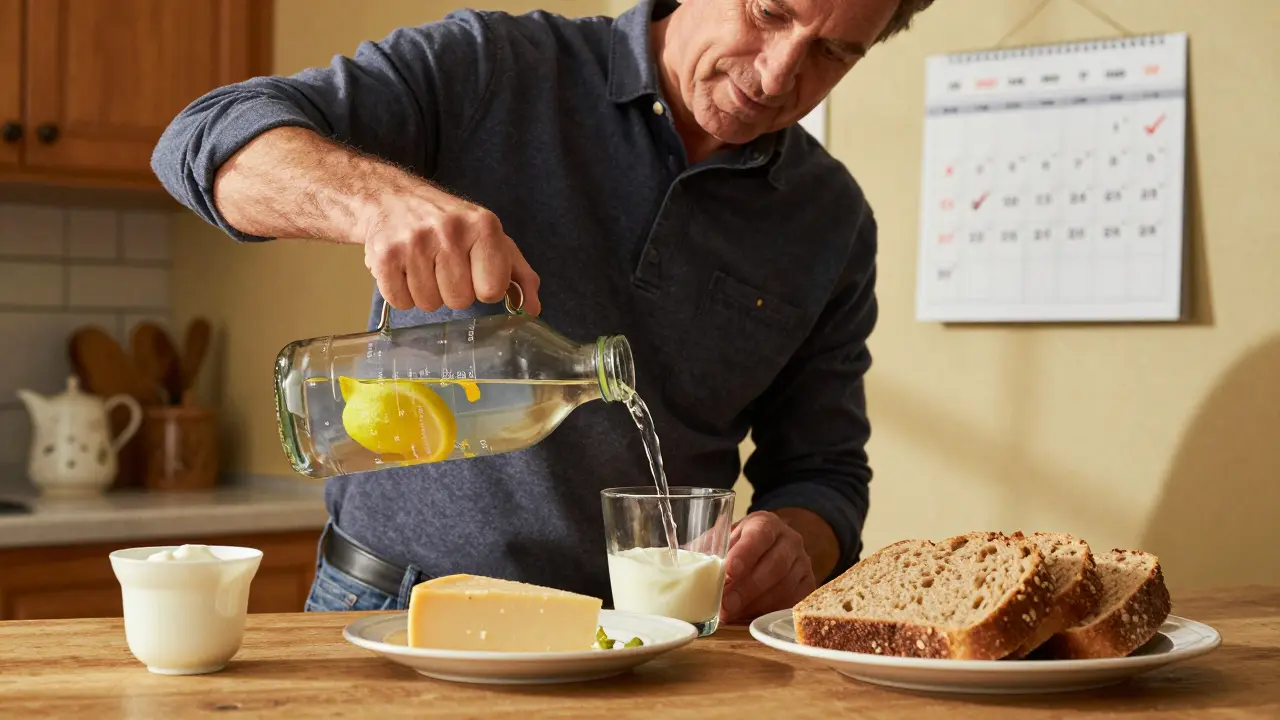

If you’ve had one kidney stone, you’re not done with them. About 30% to 50% of people who’ve passed a stone will get another one within just three to five years. And if you do nothing to change your habits? That number jumps to 70% in five years. This isn’t bad luck. It’s a chronic condition - and like diabetes or high blood pressure, it needs daily management.
Why Kidney Stones Keep Coming Back
Kidney stones aren’t one-time events. They’re signs your body’s chemistry is out of balance. Most stones (about 80%) are made of calcium oxalate. But the problem isn’t just eating too much oxalate. It’s how your body handles fluids, sodium, calcium, and citrate over time.When your urine is too concentrated, minerals clump together and form stones. That’s why the single most important thing you can do isn’t cutting out spinach or cheese - it’s drinking enough water. The European Association of Urology says you need to make at least 2.5 liters of urine per day. That means drinking 2.5 to 3 liters of fluid daily - even more if it’s hot, you’re exercising, or you’re sweating.
Thirst isn’t a good guide. By the time you feel thirsty, you’re already behind. People who track their intake with marked bottles or apps are far more likely to stay ahead of stones. A study in the Journal of Urology found that patients who maintained consistent fluid intake cut their recurrence risk by more than half.
What to Drink - and What to Avoid
Water is still the best choice. But you don’t have to drink it plain. Research shows that lemonade and orange juice can help because they contain citrate - a natural blocker that stops crystals from forming. The NHS now specifically recommends adding fresh lemon juice to your water. Just squeeze half a lemon into a glass of water, twice a day.
Tea and coffee count too. Contrary to old myths, caffeine doesn’t dehydrate you enough to hurt your kidneys when consumed in normal amounts. The National Kidney Foundation says these beverages are fine as part of your daily fluid goal.
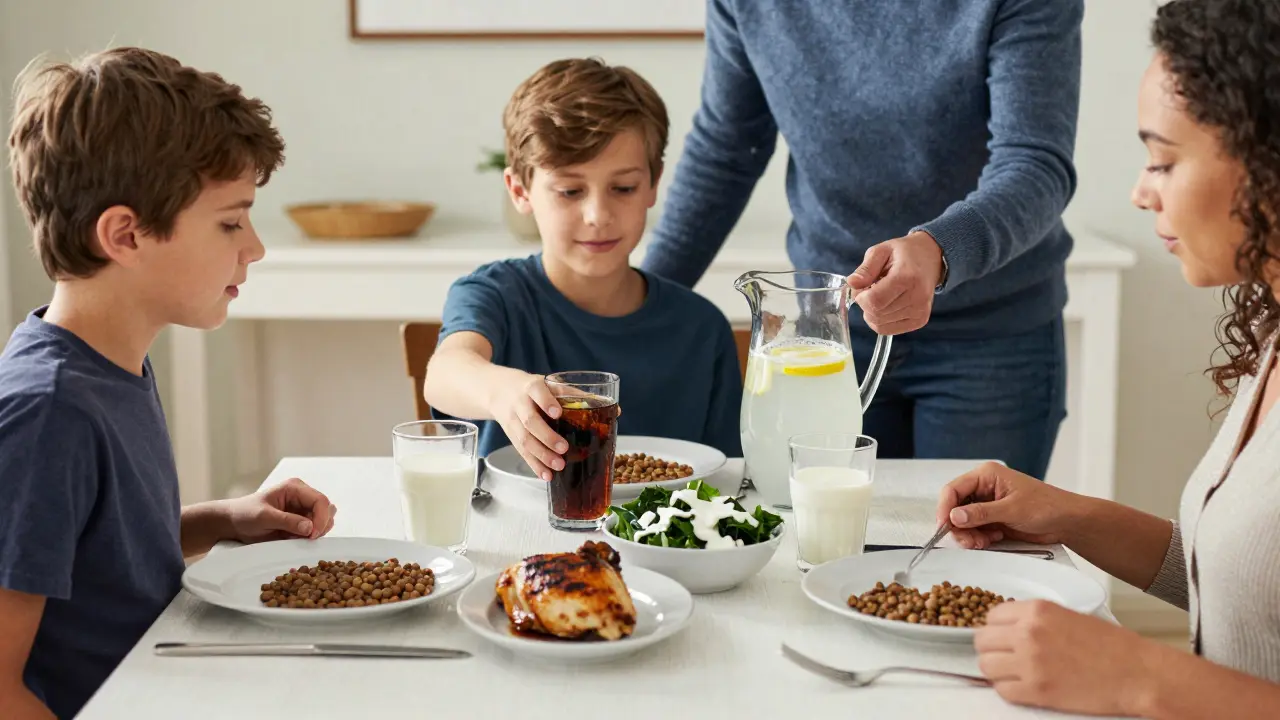
But avoid fizzy drinks - especially colas. They contain phosphoric acid and high-fructose corn syrup, both linked to higher stone risk. One study showed people who drank one cola a day had a 23% higher chance of forming stones. Diet sodas aren’t any better. They still trigger the same metabolic changes.
Calcium: Don’t Cut It Out
Here’s the biggest mistake people make: avoiding dairy because they think calcium causes stones. That’s backwards. Low calcium intake actually increases your risk.
When you don’t get enough calcium from food, your body pulls more oxalate from your gut into your bloodstream - and that oxalate ends up in your urine, where it binds with calcium and forms stones. Eating calcium-rich foods like milk, yogurt, and cheese at meals helps oxalate bind in your gut instead - so it gets flushed out in your stool, not your urine.
The American Academy of Family Physicians and the National Kidney Foundation both say: Do NOT cut out calcium. Aim for 1,000 to 1,200 mg per day from food, not supplements. If you take calcium pills, take them with meals. Taking them alone can increase stone risk.
Sodium: The Hidden Culprit
Salt is the silent stone-maker. For every extra gram of sodium you eat, your kidneys dump 10-20% more calcium into your urine. That’s like pouring fuel on a fire.
Experts recommend limiting sodium to 2 grams per day - that’s just 5 grams of salt, or about one teaspoon. But here’s the catch: 75% of sodium comes from processed foods. You won’t see it on your salt shaker.
Check labels. Bread, canned soup, deli meats, frozen meals, and even breakfast cereals are loaded. A single slice of bread can have 200 mg of sodium. If you eat two slices, a sandwich, and a bag of chips, you’ve already hit your daily limit. Cook more meals at home. Use herbs, garlic, and lemon instead of salt.
Protein: Less Meat, More Plants
Animal protein - red meat, poultry, fish, eggs - increases uric acid and lowers citrate in your urine. Both changes make stones more likely.
The guideline? Limit animal protein to 8 ounces per day. That’s about the size of two decks of cards. You don’t need to go vegan, but swap out a few meals. Try lentils, tofu, beans, or chickpeas instead of steak or chicken breast a couple of times a week.
And here’s something surprising: people who eat more fruits, vegetables, whole grains, and plant proteins actually have fewer stones. The National Kidney Foundation calls this the DASH diet - the same plan used for high blood pressure. Studies show it reduces stone risk by 40% to 50%.
Oxalate: Don’t Panic, Just Pair It Right
Spinach, nuts, beets, chocolate, and sweet potatoes are high in oxalate. You might hear they’re “bad” for stones. But cutting them out entirely isn’t the answer - and it can backfire.
The key is pairing oxalate-rich foods with calcium-rich foods at the same meal. Eat your spinach salad with yogurt dressing or have almonds with milk. That way, oxalate binds to calcium in your gut and leaves your body in your stool, not your urine.
Only avoid oxalate-heavy foods if your 24-hour urine test shows very high oxalate levels. Most people don’t need to eliminate them. Just balance them with calcium.
Monitoring and Long-Term Strategy
This isn’t a diet you do for a month. It’s a lifelong habit. Stone recurrence climbs to 52% after 10 years if you don’t stick with it.
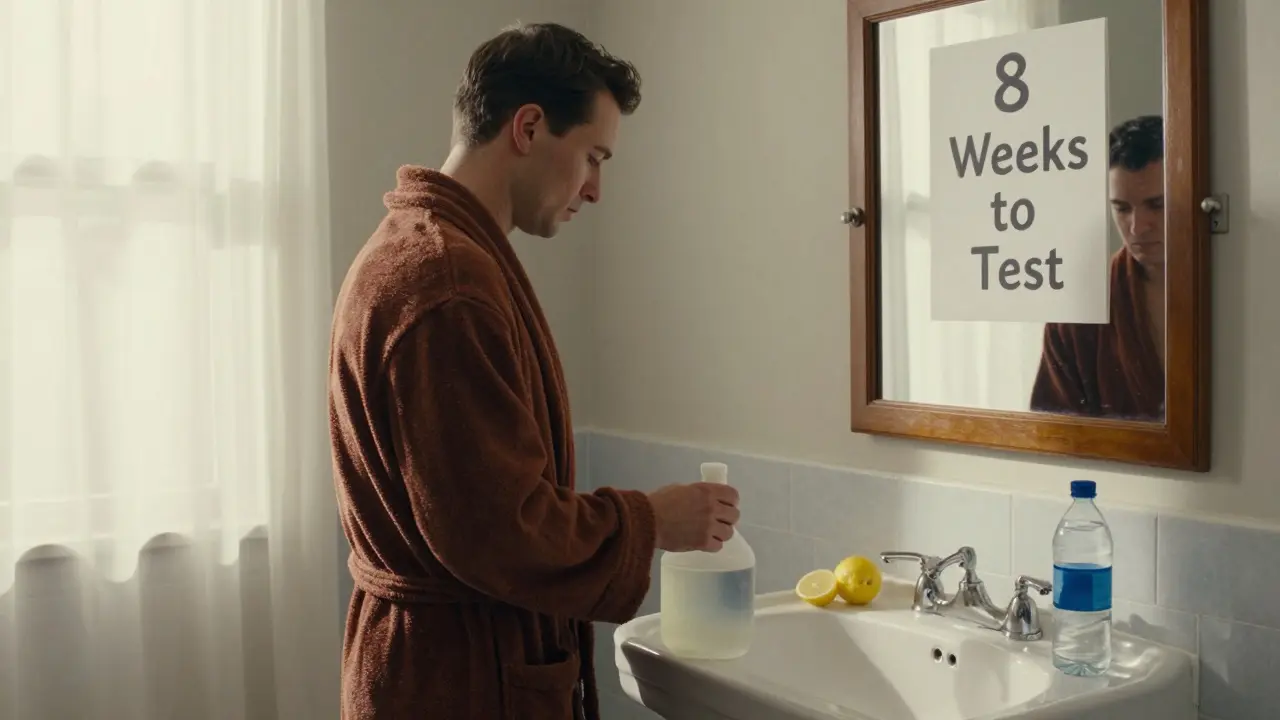
After starting your plan, your doctor should order a 24-hour urine test eight to twelve weeks later. This test measures how much calcium, oxalate, citrate, and sodium you’re excreting. It tells you if your changes are working.
If your citrate is still low, your doctor might suggest potassium citrate supplements. But for most people, lemon juice and diet changes are enough. If your sodium is still high, you need to dig deeper into hidden salt sources.
Some people also take hydrochlorothiazide, a water pill that reduces calcium in urine. But recent studies show it doesn’t work much better than placebo for many patients. That’s why diet and fluids come first.
What Happens If You Don’t Change?
Recurrent stones aren’t just painful. They can damage your kidneys over time. One study found that 19% of people with repeated stones develop chronic kidney disease. That’s not inevitable - but it’s real.
Every stone you pass increases inflammation and scarring. Over years, that can reduce kidney function. The cost isn’t just physical. In the U.S. alone, kidney stone treatments cost $10 billion a year. Emergency visits run $1,500 to $2,500. Surgery can hit $10,000.
Prevention saves money, pain, and time. And it keeps your kidneys working.
Simple Daily Routine to Prevent Stones
- Drink 2.5 to 3 liters of fluid daily - mostly water, plus lemon water or orange juice
- Get 1,000-1,200 mg of calcium from food - not supplements - with every meal
- Limit sodium to 2 grams per day - avoid processed foods
- Eat no more than 8 ounces of animal protein per day
- Pair high-oxalate foods (spinach, nuts) with calcium-rich foods at meals
- Avoid soda, especially colas
- Track your urine output with a marked bottle or app
- Get a 24-hour urine test 2-3 months after starting your plan
You don’t need to be perfect. But you do need to be consistent. One day of eating clean won’t help. One year of smart choices can keep you stone-free for life.
Can I drink coffee if I have kidney stones?
Yes, coffee counts toward your daily fluid goal. While caffeine can slightly increase calcium in urine, studies show the overall effect is neutral when you’re drinking enough water. The National Kidney Foundation confirms that moderate coffee and tea intake are safe and even helpful for stone prevention.
Should I take calcium supplements to prevent stones?
No - unless your doctor specifically recommends it. Calcium supplements taken without food can increase stone risk. Get your calcium from food: dairy, leafy greens, fortified plant milks, tofu. If you take a supplement, take it with meals so it binds with oxalate in your gut.
Is lemon water better than plain water for preventing stones?
Lemon water adds citrate, which helps block stone formation. Plain water is still the foundation - but adding half a lemon to a glass of water twice a day gives you an extra protective boost. It’s a simple, low-cost way to improve your urine chemistry.
Do I need to avoid spinach and nuts completely?
No. You can eat spinach, almonds, and other high-oxalate foods - just not alone. Eat them with calcium-rich foods like yogurt, milk, or cheese in the same meal. That way, oxalate binds in your gut and exits through your stool, not your urine.
How long until I see results from my diet changes?
It takes about 8 to 12 weeks for your body to fully adjust. Your doctor will likely order a 24-hour urine test around that time to check if your citrate is up, sodium is down, and urine volume is high enough. Stick with it - the benefits build over months, not days.
Next Steps: What to Do Today
Start simple. Buy a 1-liter water bottle and fill it 3 times a day. Add lemon to one of them. Check the sodium on your bread and swap it for a lower-sodium brand. Swap one meat dinner this week for lentils or beans. Write down what you drink and eat for three days - you’ll be shocked at how much salt you’re missing.
This isn’t about perfection. It’s about progress. One small change every day adds up. And if you stick with it, you won’t just avoid another stone - you’ll protect your kidneys for life.



Alex Warden
31 December 2025Drink water? Really? That's it? My grandpa drank tap water his whole life and still got stones every year. This whole thing is just corporate fluff to sell you lemon juice and fancy water bottles. 🤷♂️
LIZETH DE PACHECO
1 January 2026Hey, I was skeptical too - but after my second stone, I started drinking lemon water and tracking my fluids with an app. No stones in 18 months. It’s not magic, it’s just consistency. You got this 💪
Lee M
3 January 2026They’re lying to you. Kidney stones are caused by fluoride in the water supply and GMOs messing with your mitochondria. Drink distilled water, take magnesium, and stop eating anything that came from a factory. The medical industry doesn’t want you to know this.
Kristen Russell
4 January 2026Lemon water + less salt = game changer. No more ER trips for me. Small changes, big results.
Bryan Anderson
6 January 2026This is one of the most well-researched and practical guides I’ve read on kidney stone prevention. The emphasis on dietary calcium over supplements is particularly important - many patients are misinformed on this point. Thank you for the clear, evidence-based summary.
Matthew Hekmatniaz
7 January 2026In India, we’ve known for centuries that drinking warm water with lemon and a pinch of salt in the morning helps flush the system. Modern science just caught up. Also, dal and rice with yogurt? Perfect stone-prevention combo. Culture and science align here.
Liam George
8 January 2026They’re not telling you the truth about citrate. Potassium citrate is suppressed by Big Pharma because it’s cheap and natural. The real solution? Alkaline water machines, ionized filters, and avoiding chlorine-treated tap water. Your kidneys are being poisoned slowly - and they want you to buy pills instead of fixing the source.
sharad vyas
8 January 2026My father had stones for 30 years. He never drank enough water. One day he started drinking 3 liters a day with lemon, ate more yogurt, stopped processed food - and never had another stone. Simple things work if you do them daily. Not magic. Just discipline.
Dusty Weeks
9 January 2026just drink water and stop eating everything 😭 i did it and now i’m stone free… also no more bread… no more cheese… no more life… 🥲
Sally Denham-Vaughan
9 January 2026I used to think this was all hype until I started carrying my water bottle everywhere. Now I don’t even think about it - it’s just part of my routine. Also, swapping out one soda a day for lemon water felt like a win. No drama, just habit.
Bill Medley
11 January 2026The clinical evidence supporting increased fluid intake and dietary calcium is robust and reproducible. The avoidance of processed sodium and animal protein remains the most effective non-pharmacological intervention in recurrent nephrolithiasis.
Richard Thomas
12 January 2026I’ve been thinking about this for years - not just the stones, but the whole idea of chronic disease management. We treat symptoms like they’re accidents, when really, they’re warnings. Your body is trying to tell you something every time you pass a stone. It’s not just about water or citrate - it’s about rhythm. When you eat, when you sleep, when you move, when you breathe. Stones are the echo of imbalance. The solution isn’t a checklist - it’s a lifestyle that listens. And most of us don’t know how to listen anymore. We just want a pill. But the body doesn’t work that way. It needs harmony. Not just more water. More presence.
Paul Ong
14 January 2026Started drinking 3 liters a day and swapped one meat meal for lentils. No stones in 14 months. Done. Easy. No drama. Just do it.